Nigerian Independence Struggle: The Fight for Freedom That Changed a Nation
READ: Ice Age Cave Engravings Reveal Hidden Ancient Artwork
Nigeria’s journey to independence was built on the courage of people who refused to accept that a foreign government should decide their future. Some challenged British rule through newspapers and political organisations. Others marched in protest, joined workers’ strikes, resisted unfair taxes or demanded better treatment from colonial officials.
Read: Do you need a professional writer in 72 hours? Contact Auxi Chat
Their struggle lasted for decades. It brought together politicians, journalists, teachers, traders, women, students and ordinary workers who wanted Nigerians to have a greater say in how their country was governed.
READ: Lagos and the Rising Water: A City Planning Against the Sea
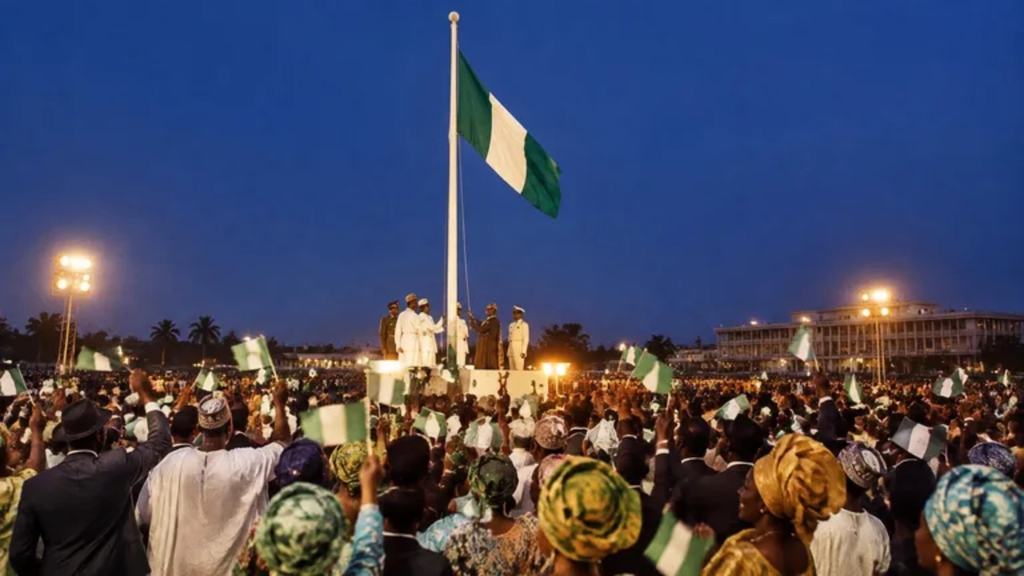
When Nigeria became independent on October 1, 1960, the achievement represented the result of years of pressure, disagreement, sacrifice and negotiation. Although a small group of political leaders became the most recognised faces of the independence movement, thousands of ordinary Nigerians also helped make freedom possible.
Understanding the Nigerian independence struggle means looking beyond the final ceremony in Lagos to the people and events that made British colonial rule increasingly difficult to maintain.
Read: Need a professional website in 72 hours? Contact Auxi Chat
How British Colonial Rule Created Resistance in Nigeria
British control over Nigerian territories expanded during the nineteenth and early twentieth centuries. Colonial authorities introduced administrative systems that served British interests, controlled economic activities and limited the political power of Nigerians.
In 1914, the British amalgamated the Northern and Southern Protectorates into one colony and protectorate called Nigeria. The decision brought different communities under a single administration, but Nigerians had little control over the process.
Colonial policies did not affect every region in the same way. In some areas, British officials governed through existing traditional authorities. In others, they introduced new administrative arrangements that disrupted established systems of leadership.
Many Nigerians objected to unfair taxation, racial discrimination, limited political representation and decisions made without meaningful public consultation.
Early resistance included petitions, public meetings and newspaper campaigns. These methods became important because they allowed educated Nigerians and community leaders to challenge colonial policies without relying entirely on armed confrontation.
Over time, resistance developed into organised nationalism, with a growing demand for self-government rather than minor changes to colonial administration.
Herbert Macaulay and the Rise of Nigerian Nationalism
Herbert Macaulay is widely remembered as one of the pioneers of modern Nigerian nationalism. An engineer by training, he became a prominent critic of colonial administration and used public campaigning to challenge policies he considered unfair.
In 1923, Macaulay helped establish the Nigerian National Democratic Party (NNDP). The introduction of the Clifford Constitution had created limited opportunities for elected representation in Lagos, and the party participated in this emerging political system.
Macaulay also used newspapers and public debate to draw attention to colonial decisions. His activities helped establish a tradition of organised political opposition in which Nigerians could demand accountability from the authorities.
In 1938, the Nigerian Youth Movement, originally formed as the Lagos Youth Movement, emerged as another important nationalist organisation. Its supporters called for better educational opportunities, improved employment prospects and greater Nigerian participation in public affairs.
These early movements did not represent every Nigerian equally, and their influence was strongest in certain urban areas. Nevertheless, they helped create the political foundations on which later independence campaigns would build.
Nnamdi Azikiwe and the Power of the Press
Nnamdi Azikiwe became one of the most influential voices in Nigeria’s independence movement. Through journalism, political organisation and public speaking, he encouraged Nigerians to challenge colonial rule and imagine a future in which they governed themselves.
In 1937, Azikiwe established the West African Pilot, a newspaper that became an important platform for nationalist ideas. Its reporting and commentary helped bring political debates to a wider audience.
Newspapers mattered because they could explain government decisions, question official conduct and connect readers with ideas about freedom and self-determination. They also gave nationalist leaders a way to challenge colonial narratives.
In 1944, Azikiwe and Macaulay were central to the formation of the National Council of Nigeria and the Cameroons (NCNC). The organisation sought to unite Nigerians around political reform and the demand for self-government.
The NCNC became one of the leading political forces in the independence movement. Its activities included public mobilisation, constitutional campaigns and negotiations with the British authorities.
Azikiwe’s contribution illustrates how political ideas, communication and organisation could become powerful tools in the struggle for national freedom.
Nigerian Independence Struggle: The Strikes and Protests Britain Could Not Ignore
Political speeches were important, but the independence movement also depended on people who used their labour and collective action to challenge colonial authority.
One of the most significant events was the 1945 general strike, when workers across Nigeria stopped working to demand improved wages and conditions. The strike disrupted government services and economic activity, demonstrating the influence organised labour could exercise.
The action also showed that the demand for change was not limited to political leaders. Workers facing difficult living conditions had their own reasons to challenge the colonial system.
Another major turning point came in November 1949, when colonial police opened fire on striking coal miners at Iva Valley near Enugu. Twenty-one miners were killed in the incident, according to commonly cited historical accounts, and the shootings generated widespread anger.
The deaths strengthened criticism of colonial administration and drew attention to the risks faced by workers who challenged official authority.
These events were important because they connected political nationalism with everyday economic concerns. For many Nigerians, the struggle for freedom was not only about who occupied government offices. It was also about wages, dignity, working conditions and the right to influence decisions affecting their lives.
Funmilayo Ransome-Kuti and the Women Who Challenged Colonial Authority
Women played a major role in Nigeria’s resistance to colonial rule, even though their contributions have sometimes received less attention than those of prominent male politicians.
Funmilayo Ransome-Kuti became one of the best-known women activists of the period. She organised women in Abeokuta to challenge unfair taxation, abuses of authority and the political exclusion of market women.
In 1946, the Abeokuta Ladies Club developed into the Abeokuta Women’s Union. Under Ransome-Kuti’s leadership, the organisation mobilised thousands of women and used petitions, demonstrations and sustained public pressure to demand change.
The protests challenged both colonial influence and the local authorities who administered policies that women considered unjust.
Women’s activism demonstrated that political resistance could grow from markets, homes and community organisations rather than only from legislative chambers or formal political parties.
Their campaigns also showed that the demand for freedom had several dimensions. National independence mattered, but so did fair treatment, economic security and a voice in local government.
Obafemi Awolowo, Ahmadu Bello and the Politics of Self-Government
As the independence movement developed, political organisations emerged with different regional bases, priorities and visions for Nigeria’s future.
Obafemi Awolowo became a leading figure in Western Nigerian politics. He helped establish the Action Group in 1951 and advocated self-government, educational expansion and social reforms.
In Northern Nigeria, Ahmadu Bello emerged as a powerful political leader through the Northern Peoples Congress. His political work reflected the region’s particular interests and its approach to the transition from colonial administration to self-government.
Azikiwe and the NCNC remained influential in Eastern Nigeria and other parts of the country. Abubakar Tafawa Balewa also became a major national figure and eventually led the federal government as prime minister at independence.
These leaders did not always agree. Regional interests, constitutional arrangements and disagreements about the pace of self-government complicated their efforts to build a common political programme.
Nevertheless, political competition and negotiations helped shape the institutions that would govern Nigeria after colonial rule.
How Constitutional Negotiations Led to Independence in 1960
The movement towards independence involved years of constitutional changes and negotiations between Nigerian representatives and British officials.
The Richards Constitution of 1946 reorganised colonial administration and introduced a regional framework that became central to Nigerian politics. The Macpherson Constitution of 1951 expanded political participation, although disputes over representation and regional interests continued.
READ: French Robotics Startup Genesis AI Raises $500 Million at $3.5 Billion Valuation
By the 1950s, demands for self-government had become increasingly difficult for Britain to ignore. Political leaders pressed for a clear timetable for independence, while constitutional conferences considered the structure of the future Nigerian state.
The Eastern and Western Regions achieved self-government in 1957, while the Northern Region followed in 1959. The regional differences reflected disagreements over political readiness, representation and the balance of power within the federation.
In 1957, constitutional discussions in London brought Nigerian leaders together to consider the final arrangements. Further negotiations and the 1959 federal elections helped prepare the way for the transfer of power.
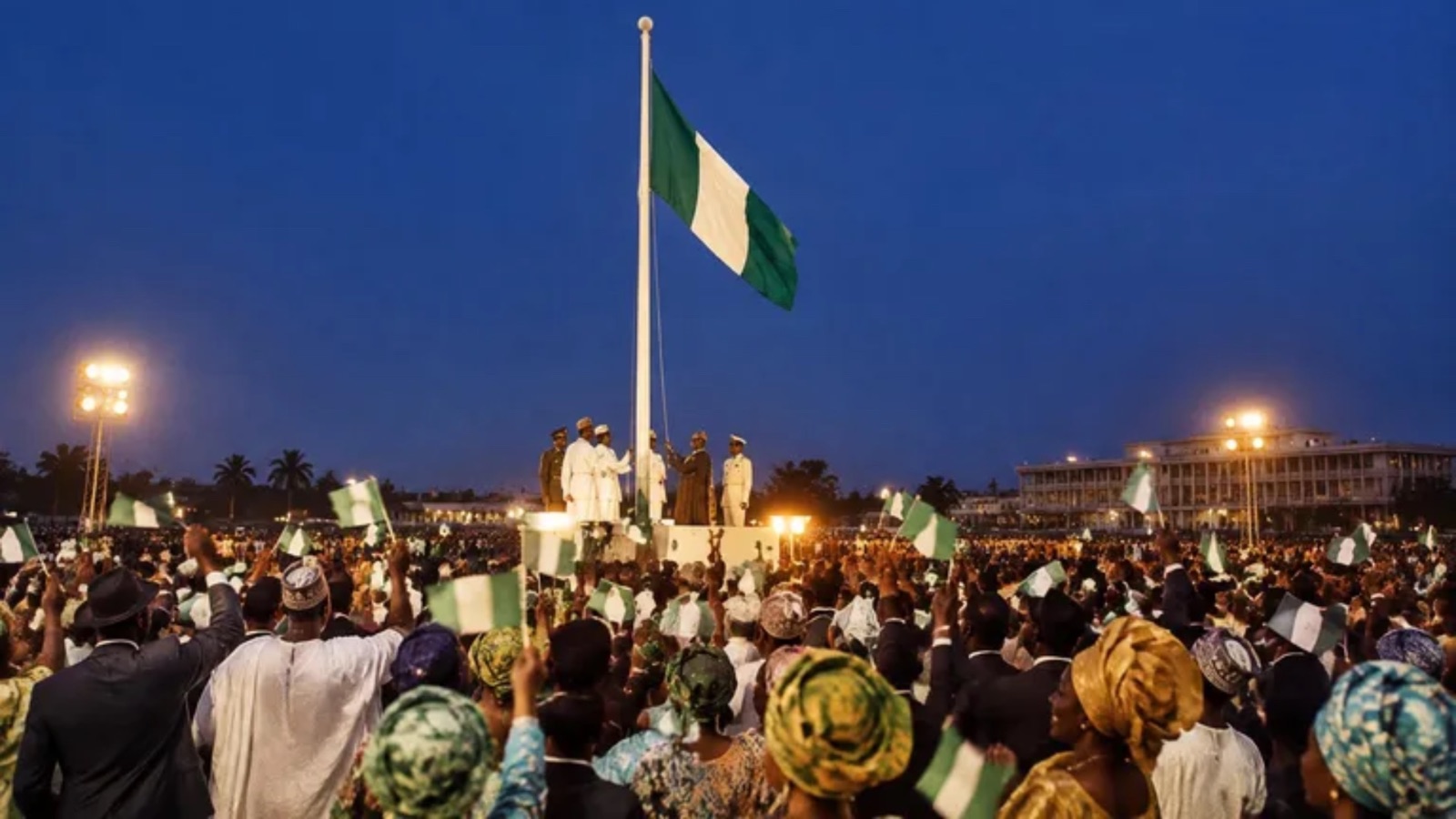
On October 1, 1960, Nigeria became an independent country. Tafawa Balewa became prime minister, while Azikiwe later became the country’s first indigenous governor-general.
Independence ended formal British colonial rule, but it did not automatically resolve the political, economic and regional tensions that had developed during the colonial period.
The Legacy of Nigeria’s Independence Struggle Today
Nigeria’s independence movement offers an important lesson about how political change happens. Freedom was not achieved through one speech, one political party or one individual. It emerged from the combined efforts of people who used different methods to challenge an unequal system.
Journalists exposed colonial policies. Workers organised strikes. Women mobilised communities. Political leaders negotiated constitutional changes. Young activists demanded faster action, while ordinary Nigerians supported campaigns for a greater say in their future.
The movement also left unresolved questions. Regional competition, unequal development and disagreements about political power continued after independence and contributed to later national crises.
Remembering the independence struggle therefore requires more than celebrating October 1. It means recognising the people whose efforts helped create Nigeria while examining the problems the new country inherited.
The national flag changed in 1960, but the work of building a fair, accountable and united country did not end that day.
The men and women who challenged colonial rule helped Nigerians gain political independence. Their history remains a reminder that lasting national progress requires participation, courage, cooperation and a willingness to hold those in power accountable.
The writer of this article does not claim to know the individuals named personally. The information about their backgrounds, as published on Global News Arena, is based on independent online research.
Are you interested in learning how to write professionally and earning money as a writer and content creator? Contact Auxi Chat today to start your writing journey immediately.
If you have an article, opinion piece, event or news story you would like published, Global News Arena would love to hear from you.
Are you interested in learning how to write professionally and earn money as a writer and content creator? Contact us today to start your writing journey immediately.
Need a professional website in 72 hours? Contact us
Do you need a professional writer in 72 hours? Contact us
If you have an article, guest story, event or news tip you would like published, Global News Arena would love to hear from you.