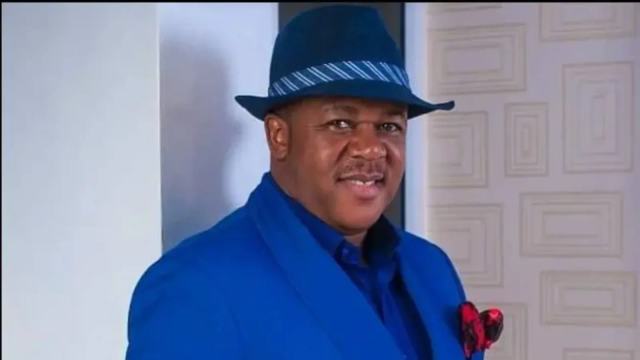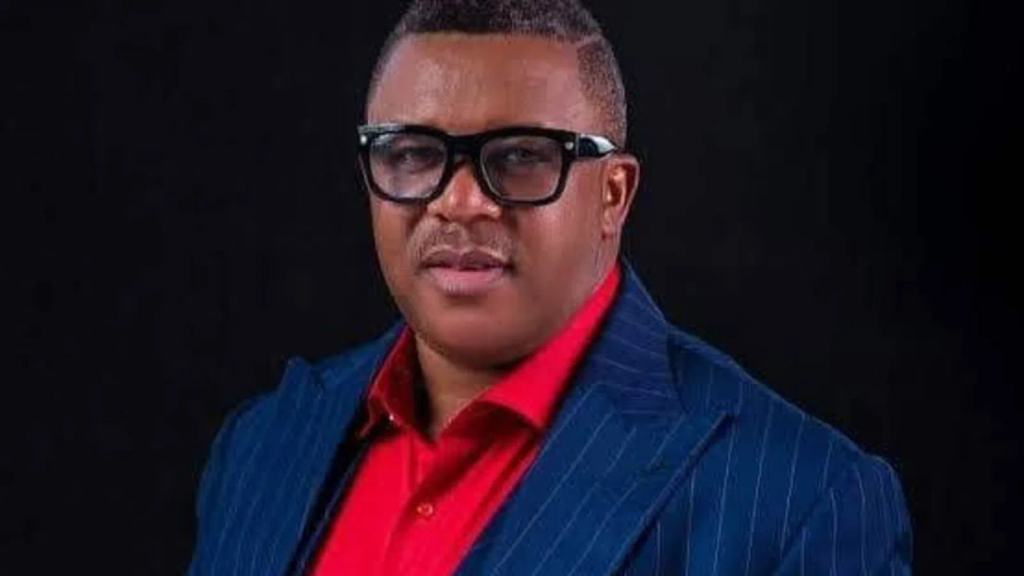
In June, Francis Duru had a message for people who were circulating videos that made it appear he was seriously ill: the picture they were painting of his health was false, and he was not going to let them tell that story for him.
The veteran Nollywood actor came online himself to challenge the reports. He was angry, he was direct, and he had something bigger to say about what social media had become when people could manipulate images, invent stories about another person’s health and send the falsehood travelling simply to attract attention.
Four months later, the news is devastatingly different.
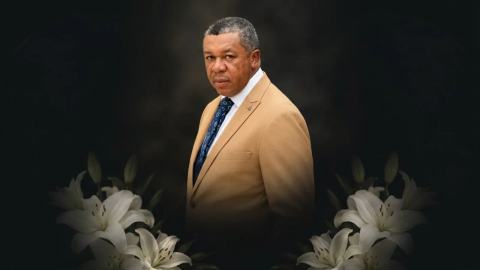
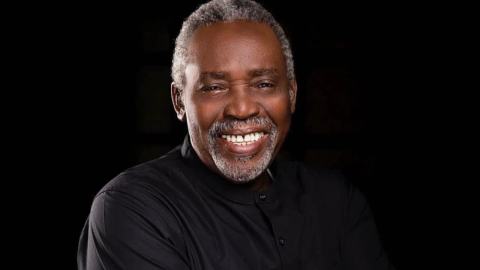
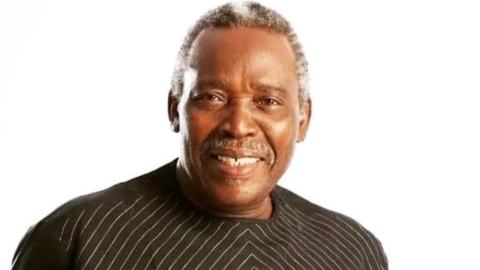
Francis Duru is dead at 57. His family announced his passing on Friday, October 23, 2026, saying he died following a brief illness.
There is no confirmed public explanation of the illness, and the family has not disclosed the exact date of his death or announced funeral arrangements. But the timing of this announcement has inevitably brought June’s controversy back into focus, not because the two events have been established as connected, but because of the striking difference between the false story Duru fought then and the painful reality his family has now confirmed.
The actor who once had to come online to tell people not to believe what they were seeing is now being mourned by the very public he spent decades entertaining.
The June Video That Made Francis Duru Speak Out
It began with images and videos circulating online that appeared to show Duru looking frail. Posts accompanying the footage suggested that the actor was critically ill, prompting concern among fans, colleagues and people who knew him personally.
But Duru did not accept the narrative.
In a video posted on Instagram in June, he rejected the claims and insisted that the footage did not accurately represent his condition. He described the content as fabricated and malicious, and criticised those who, he believed, were exploiting false stories about people’s health to drive online traffic.
He was particularly troubled by the role of artificial intelligence and manipulated media in creating misleading impressions of public figures.
His frustration was understandable. Imagine having to reassure people that you are alive and well because a video circulating online has convinced them otherwise. Imagine friends and acquaintances becoming frightened, embarrassed or uncertain about whether to contact you because they cannot tell what is real.
Duru said the reports had caused precisely that kind of distress. He addressed his audience directly, explaining that the video was his way of responding to the false claims and asking people not to believe everything being circulated about him.
At the time, he rejected the suggestion that he was as seriously ill as the footage portrayed.
Now, following the family’s announcement, that episode takes on a different emotional weight. Yet it is important not to rewrite history: Duru denied the June reports as false, and there is no confirmed evidence that the material circulating then accurately reflected his final illness or had anything to do with his death.
What the episode does expose is a troubling reality of online celebrity culture. Public figures can find themselves fighting not only for their privacy, but also for the truth about their own lives.
In Duru’s case, his words now remain part of the public record, even as the news of his death spreads.
The Family’s Announcement
The announcement of Duru’s death came from his family through a statement shared on his official Instagram page.
“We, the family of Francis Duru, regret to announce his passing following a brief illness,” the statement read.
The family thanked those who had offered prayers, love and support, and ended with a prayer for his soul to rest in perfect peace.
It was a brief statement about a profound loss. It did not provide a medical diagnosis, explain the circumstances surrounding his final illness or specify when he died.
Those details matter, particularly because the actor’s name has already been attached to unverified claims about his health in the past. The responsible thing now is to respect what the family has confirmed, leave private medical matters alone unless the family chooses to share them, and resist the temptation to fill the gaps with speculation.
The Actors Guild of Nigeria has also acknowledged his passing. Its president, Abubakar Yakubu, paid tribute to the actor, describing him as a great thespian. Seun Oloketuyi, founder of Best of Nollywood, also confirmed the news, according to reports by Nigerian media.
But the story of Francis Duru is bigger than the announcement and the tributes. To understand why his death matters to so many people, we have to go back to the films that made his face familiar.
For Many Nigerians, He Will Always Be Ahanna
Francis Duru’s acting career began in 1989 with Missing Mark. His breakthrough came in 1995, when he played Ahanna in Amaka Igwe’s Rattlesnake.
That role helped establish him as a recognisable presence in Nollywood. The film remains an important title in Nigerian cinema, and for many viewers, Duru’s name will always bring back memories of the character he played.
But he was not an actor whose story ended with one successful film.
Over more than three decades, he appeared in productions including Blood Money, Home in Exile, Nnenda, Stigma, The Good Husband, Mboputa and Merry Men: The Real Yoruba Demons. His work crossed different periods in the Nigerian film industry, from the era when home-video productions were shaping Nollywood’s identity to more recent productions reaching new audiences.
He studied Theatre Arts at the University of Port Harcourt and graduated in 1996. Beyond acting, he worked in presenting, consulting and voice-over production. He also served as interim president of the Actors Guild of Nigeria in 2010.
His achievements included a United Nations Ambassador of Peace award in 2007 and a nomination for Best Actor in a Supporting Role at the Africa Movie Academy Awards in 2010. In 2020, he won Best Actor in a Leading Role in an Igbo-language film at the Best of Nollywood Awards for Mboputa.
Those details are worth remembering, not merely as a list of credits, but as evidence of a working life spent contributing to an industry that has become a major part of Nigeria’s cultural identity.
For readers who want to explore the actor’s journey in greater detail,
A Father Who Knew the Pain of Losing a Child
There is another part of Duru’s life that makes this news especially painful.
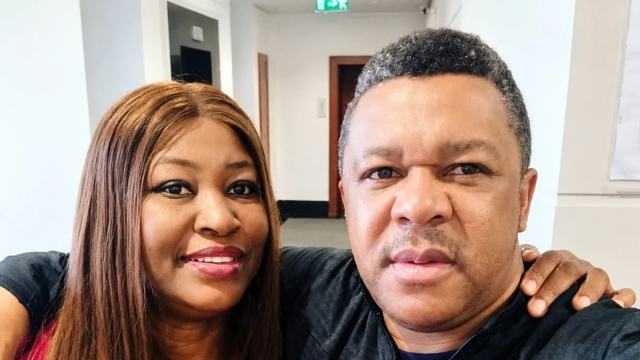
In August 2024, he and his wife, Adokiye, lost their 15-year-old son, Ifeanyi. The tragedy drew sympathy from colleagues and fans, and Duru later spoke about grief, family and faith in an interview.
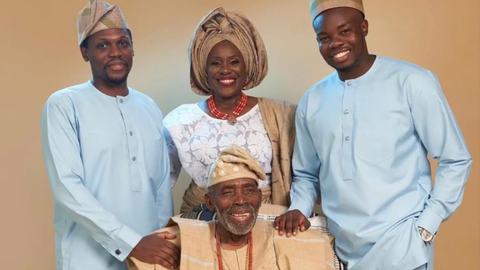
He and Adokiye had married in 2003 and had four children together. Their son’s death was a deeply personal loss that Duru had to navigate while living a life in which his work made him recognisable to the public.
It is impossible to know all that a person carries privately. The public sees the actor, the familiar face, the interviews and the performances. It rarely sees the full weight of the experiences that happen when the cameras are off.
Duru’s reflections on his son’s death offered a glimpse of that private world. Now, his own family is grieving, and they deserve the space to do so without strangers turning their pain into speculation or sensational headlines.
There Is a Lesson in the Way We Consume Celebrity News
The circumstances surrounding Duru’s death make June’s controversy difficult to ignore. Not because the earlier rumours should be connected to his passing, but because they remind us how easily a person’s life can become material for online engagement.
A video can be shared thousands of times before anyone asks whether it is genuine. A claim can be repeated until it feels like fact. Artificial intelligence can make fabricated images and scenes look convincing, while the person being depicted is left to explain that the story is not true.
Duru challenged that behaviour while he was alive. He was not simply denying a rumour; he was questioning a culture in which someone else’s distress could become a tool for attracting attention.
His death should not become another opportunity to repeat unverified claims about his health. The family has confirmed that he died following a brief illness. Anything beyond that requires reliable evidence or further information from the people closest to him.
There is a difference between reporting a death and using it to legitimise old rumours. There is also a difference between remembering an actor and reducing his life to the final news about him.
Francis Duru gave audiences decades of performances. He played characters, entertained viewers and became part of the memories people associate with Nigerian films. That deserves more attention than speculation about his final days.
Remembering Francis Duru
Duru’s death leaves a gap in the lives of his family, friends, colleagues and the audiences who followed his work. His career stretched across generations of Nollywood, and his portrayal of Ahanna in Rattlesnake remains one of the defining landmarks associated with his name.
He also leaves behind a public record of a man who, when faced with fabricated claims about his health, chose to speak for himself rather than let the internet speak for him.
Today, his family has shared news no one wants to receive. The actor has died at 57 following a brief illness. Further details about his illness and funeral arrangements have not been made public.
As Nigerians remember the man behind the performances, perhaps we can also remember the warning he gave in June: not everything that circulates online is true, and the pursuit of attention should never come at the expense of another person’s dignity.
May Francis Duru rest in peace. And may his family find strength and comfort in this difficult time.
If you have an article, opinion piece, or news story you'd like published on Global News Arena, or you're ready to begin your journey toward building a profitable digital business from your phone, I'd love to hear from you.
Read more at Global News Arena and Advertise with us