Early life and education
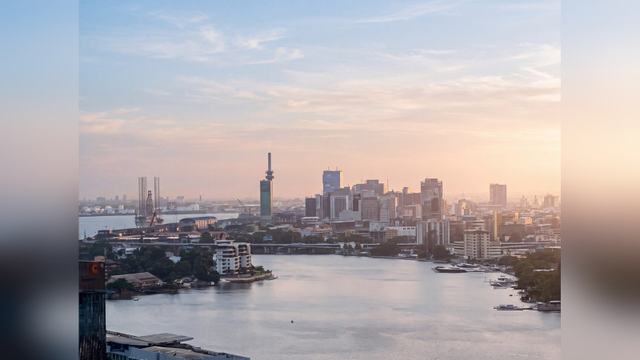
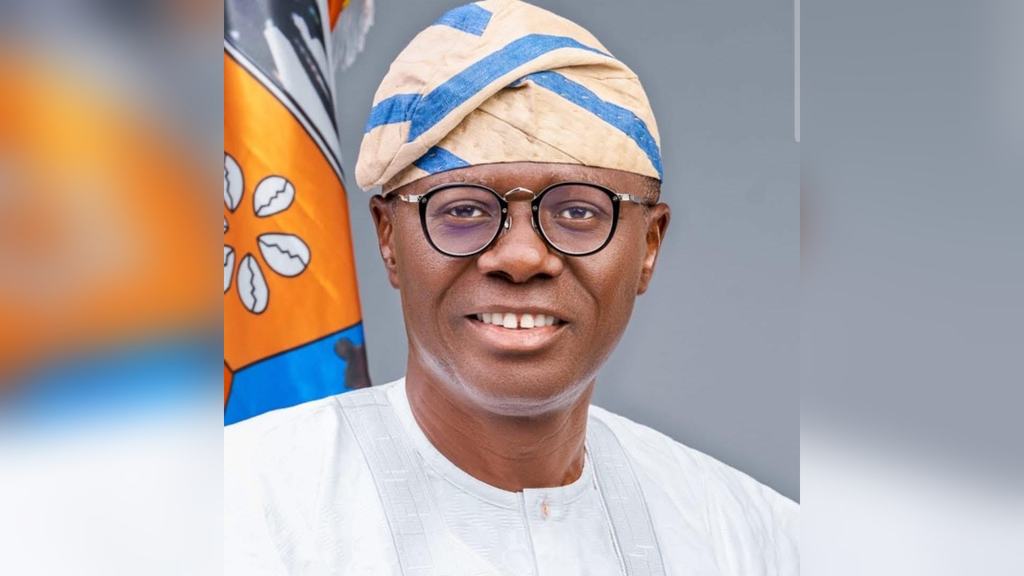
Babajide Olusola Sanwo-Olu was born on June 25, 1965, in Lagos. His professional and political life has been closely connected to the state, which is Nigeria’s leading commercial hub and one of Africa’s largest urban economies.
He studied at the University of Lagos, earning a degree in surveying and a Master of Business Administration. That combination of technical and management education preceded a career that moved from banking into government.
Sanwo-Olu is married to Ibijoke Sanwo-Olu, a medical doctor. Her professional background is in healthcare, and she has supported health, welfare and advocacy initiatives as the governor’s wife.
From banking to public service
Before entering politics, Sanwo-Olu worked in Nigeria’s financial sector. His banking career included positions at Lead Merchant Bank, United Bank for Africa and First Inland Bank. He gained experience in financial management and corporate operations before moving into public administration.
He entered Lagos State government during the administration of Bola Tinubu. His early government work included serving as a special adviser on corporate matters, followed by appointments with broader administrative responsibilities.
Sanwo-Olu subsequently held commissioner-level roles in commerce and industry, as well as establishments, training and pensions. These portfolios placed him within the machinery of state government, covering business development, public-sector staffing and employee welfare.
In 2016, he became managing director of the Lagos State Development and Property Corporation. The position added housing and property development to his experience, in a state where access to affordable accommodation remains a major challenge.
Rise to the governorship
Sanwo-Olu emerged as the All Progressives Congress candidate for governor after defeating incumbent Akinwunmi Ambode in the party’s primary ahead of the 2019 election. The contest marked a decisive step from appointed office into frontline electoral politics.
He won the governorship election and took office on May 29, 2019, succeeding Ambode. Obafemi Hamzat became his deputy governor. Sanwo-Olu secured a second term in the 2023 election.
His rise reflects the importance of the APC’s established political organisation in Lagos. It also followed years of service across successive state administrations, giving him familiarity with the institutions he would later lead.
Governing Lagos
Sanwo-Olu’s administration set out its priorities through an agenda known as THEMES. It covered traffic management and transportation, health and the environment, education and technology, economic development, entertainment and tourism, and security and governance. His second-term programme, THEMES Plus, added emphasis on inclusion, gender equality and youth development.
Public transport has been a prominent part of his governorship. Passenger services on the Lagos Blue Line and the launch of the Red Line were significant milestones in a rail programme developed across successive administrations. These projects form part of efforts to reduce dependence on road travel.
His first term also coincided with the COVID-19 pandemic. Lagos was central to Nigeria’s outbreak response, placing substantial demands on the state’s health system, businesses and public services.
The 2020 End SARS protests and events at the Lekki toll gate brought intense scrutiny to his administration. The episode remains an important part of public debate about policing, accountability and government responsibility.
Public profile and significance
Sanwo-Olu’s public role extends beyond government offices to business gatherings, cultural occasions and community engagements. In Lagos, fashion, music, film and other creative industries are important parts of both economic activity and civic identity.
His political record is closely tied to the challenge of managing a growing metropolitan state. Transport, housing, public health, education and the quality of everyday services remain central to assessing his leadership.