SlutWalk is a protest movement built around a clear principle: responsibility for sexual violence belongs to the perpetrator, not the person targeted. It rejects the idea that clothing, sexual history or personal appearance can justify harassment or assault.
READ: Amber Rose: Biography, Career and Cultural Influence
Rather than a single organization with one leadership team, SlutWalk developed through locally organized marches and campaigns. Its deliberately provocative name made it recognizable, while also prompting debate about language, inclusion and how feminist movements communicate their goals.
Slutwalk: Origins in Toronto
READ: Wiz Khalifa: Biography, Music Career and Family Life
The movement began in Toronto in 2011 after a police officer, speaking at a campus safety event, suggested that women could avoid being victimized by not dressing like sluts. The comment drew criticism for placing responsibility on potential victims rather than offenders.
Organizers responded with the first SlutWalk march in Toronto that April. Protesters challenged the officer's message and the wider assumptions behind it: that some victims deserve more sympathy than others, or that appearance can be treated as evidence of consent.
The idea quickly spread beyond Canada. Activists organized SlutWalk events in cities across the United States, Europe, Latin America and elsewhere, adapting the protest to local concerns about sexual violence and discrimination.
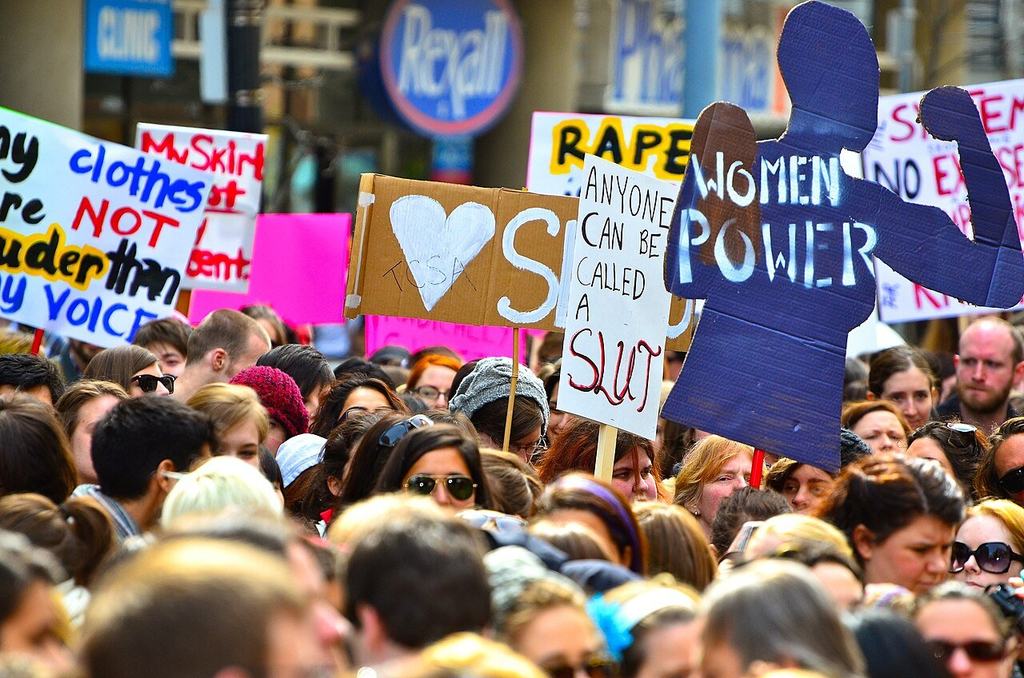
Its decentralized structure allowed different communities to shape their own events. Marches commonly combined street demonstrations, personal testimony and signs emphasizing consent and freedom from harassment.
Consent, Clothing and Bodily Autonomy
SlutWalk's central argument is that consent cannot be inferred from an outfit, a person's reputation or their previous relationships. Choosing to express sexuality does not mean agreeing to sexual contact, and no form of dress excuses abuse.
Participants have worn everyday clothes as well as revealing outfits. That variety reflects the movement's insistence that people should not have to meet a standard of modesty to deserve safety or respect.
The name attempts to reclaim a word traditionally used to punish women for perceived sexual behavior. For supporters, using it openly challenges the power of the insult and exposes the double standards attached to women's sexuality.
The movement also questions responses to sexual violence that focus mainly on restricting potential victims. Its broader message calls for attention to perpetrators, consent education and the treatment of survivors by institutions and the public.
Amber Rose's Connection
Amber Rose, the American model and media personality, became a prominent celebrity advocate associated with SlutWalk. She launched her own SlutWalk event in Los Angeles in 2015, bringing the movement's themes to a wider entertainment and social media audience.
Rose's advocacy connects opposition to sexual shaming with bodily autonomy, meaning a person's right to make decisions about their own body. Her involvement emphasized that public visibility or a sexualized image does not remove anyone's right to dignity and consent.
Although her name became closely associated with SlutWalk in popular culture, she did not found the original movement. Her event was a high-profile expression of a protest model that had already developed internationally.
Debate and Lasting Significance
SlutWalk has faced criticism from some feminists, including Black feminists, who question whether reclaiming its central slur works equally across racial and social groups. Critics have argued that histories of racialized sexual stereotyping complicate the idea of adopting the label as empowering.
READ: Africa: Biography, History and Cultural Identity
Those debates reveal a wider challenge for movements seeking a shared language across different experiences. Support for ending victim blaming does not necessarily mean agreement with SlutWalk's name or tactics.
Its lasting significance lies in making a familiar injustice highly visible. Through marches and public discussion, SlutWalk helped amplify a basic distinction: sexual expression is not consent, and a person's choices never make them responsible for someone else's violence.
More from Global News Biography. Further reading: Slutwalk on Wikipedia.
Are you interested in learning how to write professionally and earn money as a writer and content creator? Contact Auxi Chat today to start your writing journey immediately.
Need a professional website in 72 hours? Contact Auxi Chat
If you have an article, opinion piece, event or news story you would like published, Global News Arena would love to hear from you.