Reality TV has changed Nigerian entertainment in a way that is impossible to ignore. Over the years, programmes such as Big Brother Naija have moved beyond being simple television shows and have become a major part of how Nigerians discuss celebrities, fashion, relationships, social issues, business and popular culture.
What makes the change particularly interesting is that reality television has also changed the kind of person who can become famous. In the past, Nigerians who wanted to become widely recognised entertainers would usually have to build careers in music, acting, comedy, broadcasting or another established area of entertainment. Today, reality television has created another route.
Someone who is relatively unknown before entering a reality show can suddenly become a familiar face to millions of Nigerians. After the show, that person may build a career as an influencer, entrepreneur, content creator, brand ambassador or media personality.
Research on Big Brother Naija has examined this process of "celebrification", showing how contestants can move from relative obscurity to becoming public figures with significant social-media followings and commercial opportunities.
This, in my view, is one of the biggest ways reality TV has changed Nigerian pop culture. It has made personality itself a form of entertainment.
People are no longer interested only in what a celebrity has achieved. They also want to know how that person talks, dresses, behaves, thinks and responds to situations. A reality show gives viewers weeks of access to contestants, allowing audiences to form opinions and emotional connections with people they may never have known before.
However, television alone cannot explain the enormous influence reality shows now have in Nigeria. Social media has completely changed the experience.
A reality-show episode may last several hours, but the conversation around it can continue from morning until night. A statement made by a contestant can quickly become a trending topic. A funny moment can become a meme. A disagreement can generate thousands of comments. A contestant's outfit can become a fashion talking point, while fans can spend hours debating who deserves to win.
Research into Big Brother Naija's social-media presence has found that viewers actively participate through posts, videos, polls, pictures and online discussions.
That means Nigerians are no longer simply watching reality television. They are participating in it.
This is an important difference because the audience has become part of the entertainment itself. Television creates the moment, but social media helps determine how far that moment travels.
This is also why a reality-TV personality can remain relevant long after leaving the show. The programme may introduce the person to the public, but social media gives them a platform to maintain that relationship with their audience.
And once an audience has been built, another important part of the entertainment industry comes into play: business.
Brands understand the value of attention. If thousands or millions of people are interested in a particular personality, companies naturally want to reach those people. This has made reality-show contestants attractive to advertisers and brands looking for influencers and ambassadors.
Research has also examined Big Brother Naija's wider contribution to Nigeria's creative economy, including its connections with advertising, entertainment and other businesses.
In other words, reality television does not only create celebrities. It can create an entire business ecosystem around them.
The impact can also be seen in the way reality TV influences Nigerian language, fashion and everyday conversations. Certain expressions, nicknames, jokes and memorable moments from reality shows can quickly move from television into social media and then into ordinary conversations.
A person who did not even watch an entire season may still recognise the name of a contestant or understand a joke connected to the show.
That is how pop culture spreads.
Research examining Big Brother Naija as a Nigerian pop-culture phenomenon has looked at areas including language, fashion, social media, contestants, presentation styles and audience participation.
What I find particularly fascinating is that Nigerians have not simply consumed the international reality-TV format. We have given it our own identity.
The conversations, humour, arguments, fashion and social-media reactions surrounding these programmes are deeply connected to Nigerian society. The shows become a kind of mirror, reflecting some of the interests, attitudes and debates that already exist among their audiences.
At the same time, I think it is important not to pretend that reality television is without its problems.
There have been debates about the kind of behaviour presented on reality shows and the influence such programmes may have on young people and Nigerian cultural values. Academic research has examined these concerns, particularly around Big Brother Naija and its relationship with popular culture and social behaviour.
There is also the question of how much of what viewers see should actually be considered "reality". Although contestants are real people, reality television is still produced for entertainment. Producers decide what audiences see, when they see it and how events are presented.
That is why viewers should enjoy reality shows without assuming that everything happening on screen represents ordinary life.
Nevertheless, the influence of reality TV cannot be dismissed simply because it has its critics.
Its greatest achievement may actually be the way it has changed the relationship between entertainment and audiences.
Years ago, viewers mainly watched what television stations decided to put on the screen. Today, audiences react almost immediately. They comment, share, vote, create memes, make videos, write articles and influence online conversations.
The audience has become part of the media cycle.
And this brings me to the lesson I find most useful beyond the entertainment itself.
Reality TV has demonstrated the enormous value of attention.
People may watch a programme because they are entertained, but that attention can create opportunities for businesses, advertisers, content creators and the personalities at the centre of the conversation.
This is something ordinary people can learn from without ever appearing on a reality show.
A person with a smartphone can begin building an audience around something useful or interesting. It could be entertainment news, sports, education, fashion, technology, books, food or practically any subject people care about.
The important thing is not simply to chase attention. It is to learn how to earn it by consistently giving people something worth reading, watching or sharing.
For someone interested in online content writing, this is particularly important. Every trending topic reminds us that people are constantly looking for stories, explanations, opinions and fresh perspectives.
The opportunity is to learn how to turn that interest into useful content.
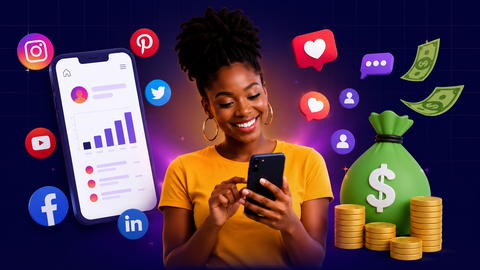
That is why I believe the smartphone has become more than a device for consuming entertainment. It can also become a tool for learning digital skills, publishing content, building an audience and eventually creating an online business.
Reality TV has shown us what can happen when millions of people become interested in a story or personality. The bigger lesson is understanding what happens when you learn to tell stories that people genuinely want to read.
Looking at the future of Nigerian entertainment, I do not think the influence of reality television will disappear anytime soon. If anything, the relationship between television and social media is likely to become even stronger.
A television programme can create the story. Social media can spread it. Blogs can analyse it. Content creators can discuss it. Fans can turn it into memes, videos and conversations, while brands can find commercial opportunities within the attention.
Everything becomes connected.
That is why reality TV has become such an important part of Nigerian pop culture. It has changed who can become famous, how celebrities build audiences, how brands connect with consumers and how ordinary Nigerians participate in entertainment.
But perhaps the most important change is that reality TV has shown Nigerians that attention itself can become an opportunity.
We can continue to watch the people who are trending, or we can also learn from the system that makes them trend.
We can consume content, or we can develop the skills to create it.
And sometimes, the journey from consumer to creator can begin with something as simple as a smartphone, an idea and the determination to keep learning.
If you have an article, opinion piece, event or news story you would like published, or you are ready to begin your journey toward building a profitable online content-writing business from your phone or laptop, Global News Arena would love to hear from you. Send an email to advertise@globalnewsarena.com.