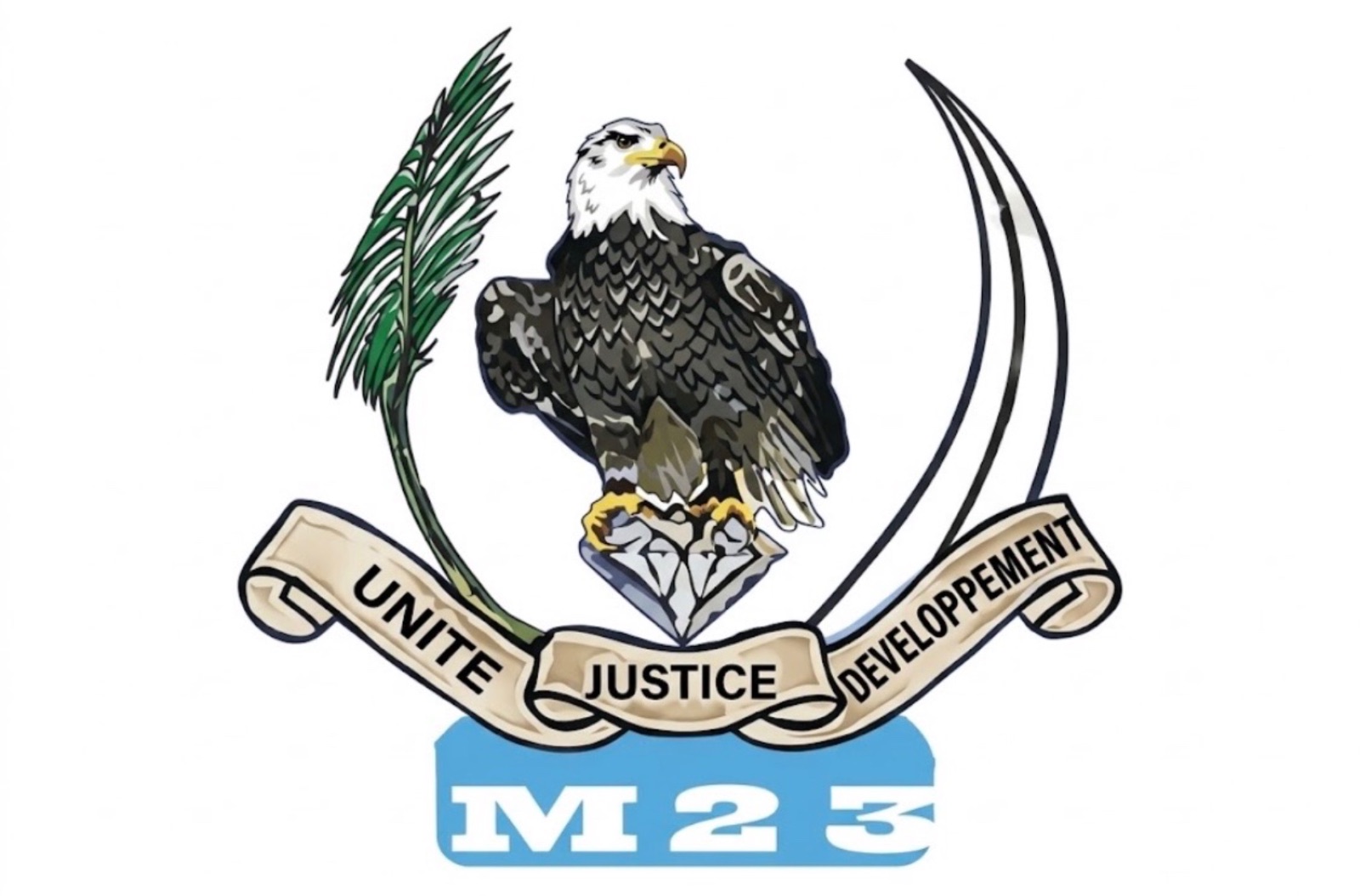
The M23 Movement is an armed group that emerged in the Democratic Republic of the Congo (DRC) in 2012. Also known as the March 23 Movement, it takes its name from a peace agreement signed on March 23, 2009, between the Congolese government and an earlier armed group. The movement later accused the government of failing to honour important parts of that agreement.
READ: 1,900-Year-Old Roman Coin Found by Schoolchildren
The group has become a major part of the conflict in eastern Congo, where armed violence, competition over natural resources, political disputes and tensions involving neighbouring countries have contributed to years of instability. Understanding the M23 Movement requires looking at its origins, stated objectives, military activities and the effects of the conflict on ordinary people.
Read: Do you need a professional writer in 72 hours? Contact Auxi Chat
M23 Movement: Origins and Historical Background
READ: The Nigerian Independence Struggle: How Nationalists Challenged Colonial Rule
The history of the M23 Movement is closely connected to earlier conflicts in eastern Congo. Before the group was established, many former fighters belonged to the National Congress for the Defence of the People (CNDP), an armed group that signed an agreement with the Congolese government in 2009.
The agreement included arrangements for integrating fighters into the national army and addressing political and security concerns. However, disagreements over implementation continued.
Read: Need a professional website in 72 hours? Contact Auxi Chat
In 2012, some former CNDP fighters rebelled against the government and formed the M23 Movement. They argued that the 2009 agreement had not been properly implemented and raised concerns about security and the treatment of their communities.
The conflict escalated rapidly. In November 2012, M23 fighters captured Goma, the capital of North Kivu province. The group withdrew from the city in December following regional diplomatic pressure and negotiations.
In 2013, Congolese forces, supported by a United Nations intervention brigade, defeated the movement’s initial rebellion. Many fighters fled to neighbouring countries, and the group became less active for several years.
The M23 Movement re-emerged in late 2021. Its renewed military campaign gradually expanded its influence and contributed to a major escalation of conflict in eastern Congo.
What Are the Main Objectives of the M23 Movement?
The M23 Movement has presented its demands as efforts to address security concerns, political exclusion and the implementation of earlier agreements. It has also claimed to defend Congolese Tutsi communities against discrimination and threats from other armed groups.
These stated objectives are part of a much wider dispute. The Congolese government has opposed the movement’s armed rebellion and considers its military activities a challenge to the country’s sovereignty.
Analysts have also examined the movement’s territorial ambitions, political influence and relationships with other armed organisations. Its actions have raised questions about who controls local administration, security and valuable economic areas.
The movement’s stated goals should therefore be distinguished from its conduct on the ground. Claims made by an armed group do not, by themselves, establish that its actions protect civilians or resolve the problems it identifies.
M23 Movement and the Conflict in Eastern Congo
Eastern Congo has experienced prolonged instability involving government forces, local militias and armed groups with links across national borders. The region’s complex history has made it difficult to achieve lasting peace.
The M23 Movement became a central actor in the conflict after renewing its offensive in 2021. In January 2025, it captured Goma, followed by Bukavu, the capital of South Kivu province, in February 2025.
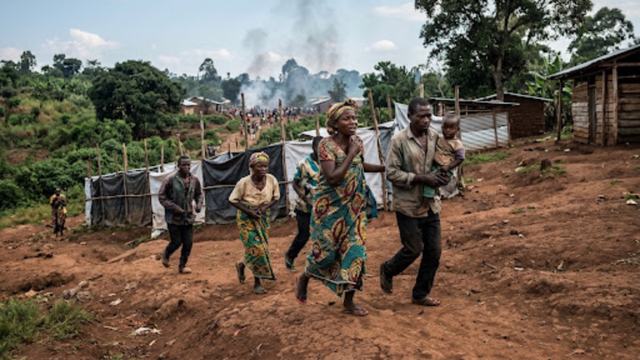
These developments created serious security and humanitarian concerns. Fighting disrupted daily life, forced families to leave their homes and placed additional pressure on communities already facing economic hardship.
The conflict has also involved allegations of serious human rights abuses, including killings, forced recruitment and violence against civilians. Such allegations require attention to civilian protection, accountability and compliance with international humanitarian law.
The continued presence of armed groups has made it difficult for many residents to return to normal life. Schools, healthcare services, local businesses and transport networks can all be affected when insecurity spreads.
Rwanda, the Democratic Republic of the Congo and Regional Tensions
The M23 conflict is not limited to domestic political disagreements within the Democratic Republic of the Congo. Relations between Congo and neighbouring Rwanda have also played an important role.
The Congolese government and international investigators have accused Rwanda of supporting the M23 Movement. Rwanda has disputed aspects of these accusations and has raised its own security concerns involving armed groups operating in eastern Congo.
The dispute has increased tensions between the two countries and complicated efforts to establish a lasting settlement. Regional governments and international partners have repeatedly sought negotiations and security arrangements to reduce violence.
These tensions matter because instability in eastern Congo can affect border communities, trade, migration and regional cooperation. A lasting solution requires addressing security concerns while respecting national sovereignty and protecting civilians.
Natural Resources and the M23 Conflict
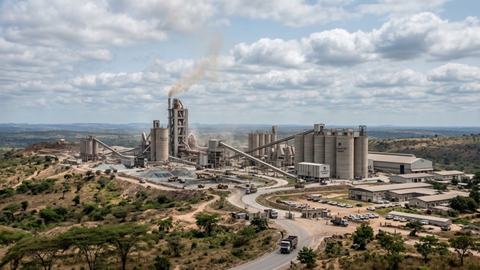
Eastern Congo contains valuable natural resources, including gold, tin, tantalum-bearing ores and other minerals used in manufacturing and electronics. Competition over mining areas and trade routes has contributed to the wider conflict.
The M23 Movement has controlled or contested areas with significant economic value during its campaigns. Control over territory can provide armed groups with opportunities to collect revenue, influence local commerce and strengthen their position.
However, the conflict cannot be explained by minerals alone. Historical grievances, political disputes, insecurity, regional rivalries and the presence of multiple armed groups also shape events.
Responsible mineral sourcing and greater transparency in supply chains are important parts of wider efforts to reduce the economic incentives that can sustain violence. Lasting peace also requires effective institutions and opportunities for communities to earn a living without fear.
The Humanitarian Impact of the M23 Movement
The humanitarian consequences of the conflict have been severe. Fighting has forced large numbers of people from their homes and increased the need for emergency shelter, food, clean water, healthcare and protection.
Families who flee violence may lose their homes, possessions and sources of income. Children can experience interruptions to their education, while people with existing medical needs may struggle to reach hospitals and clinics.
Displacement also places pressure on host communities, which may have limited resources to support additional residents. Humanitarian organisations face challenges when insecurity restricts access to affected areas or interrupts the delivery of essential supplies.
The M23 Movement’s conflict with government forces and other armed actors has therefore become more than a military issue. It is also a question of civilian safety, access to basic services and the ability of families to rebuild their lives.
READ: Ice Age Cave Engravings Reveal Hidden Ancient Artwork
Peace Efforts and the Future of Eastern Congo
Regional governments and international partners have pursued diplomatic efforts to reduce the fighting between the Democratic Republic of the Congo and the M23 Movement. Negotiations have addressed ceasefires, security arrangements, political disagreements and relations between Congo and Rwanda.
However, reaching an agreement is only one step towards peace. Commitments must be implemented, armed violence must decrease and civilians need meaningful protection. Trust between communities and institutions also takes time to rebuild.
A sustainable solution requires cooperation between the Congolese government, neighbouring countries, regional organisations and relevant international partners. It also requires attention to the grievances, governance problems and economic pressures that have helped prolong the conflict.
The future of eastern Congo will depend on whether diplomatic efforts can produce practical improvements in security and daily life. For people living in affected communities, peace means being able to return home, attend school, earn a living and move safely without the constant threat of violence.
Why the M23 Movement Matters to Africa
The M23 Movement is important to understanding the wider security challenges facing Central and East Africa. Its history demonstrates how unresolved political disputes, weak security arrangements and regional tensions can contribute to repeated cycles of conflict.
The crisis also shows why protecting civilians must remain central to peace negotiations. Military gains alone cannot provide lasting stability when communities remain displaced, institutions are weakened and armed groups continue to compete for control.
For readers following African politics and international affairs, the M23 Movement provides an important example of the connection between local grievances and regional security. Its impact reaches beyond the battlefield, affecting families, economic activity, diplomacy and the prospects for long-term development.
Understanding the movement’s background helps explain why peace in eastern Congo requires more than ending individual battles. It requires sustained cooperation, accountable institutions and practical measures that allow communities to live safely.
Are you interested in learning how to write professionally and earn money as a writer and content creator? Contact us today to start your writing journey immediately.
Need a professional website in 72 hours? Contact us
Do you need a professional writer in 72 hours? Contact us
If you have an article, guest story, event or news tip you would like published, Global News Arena would love to hear from you.