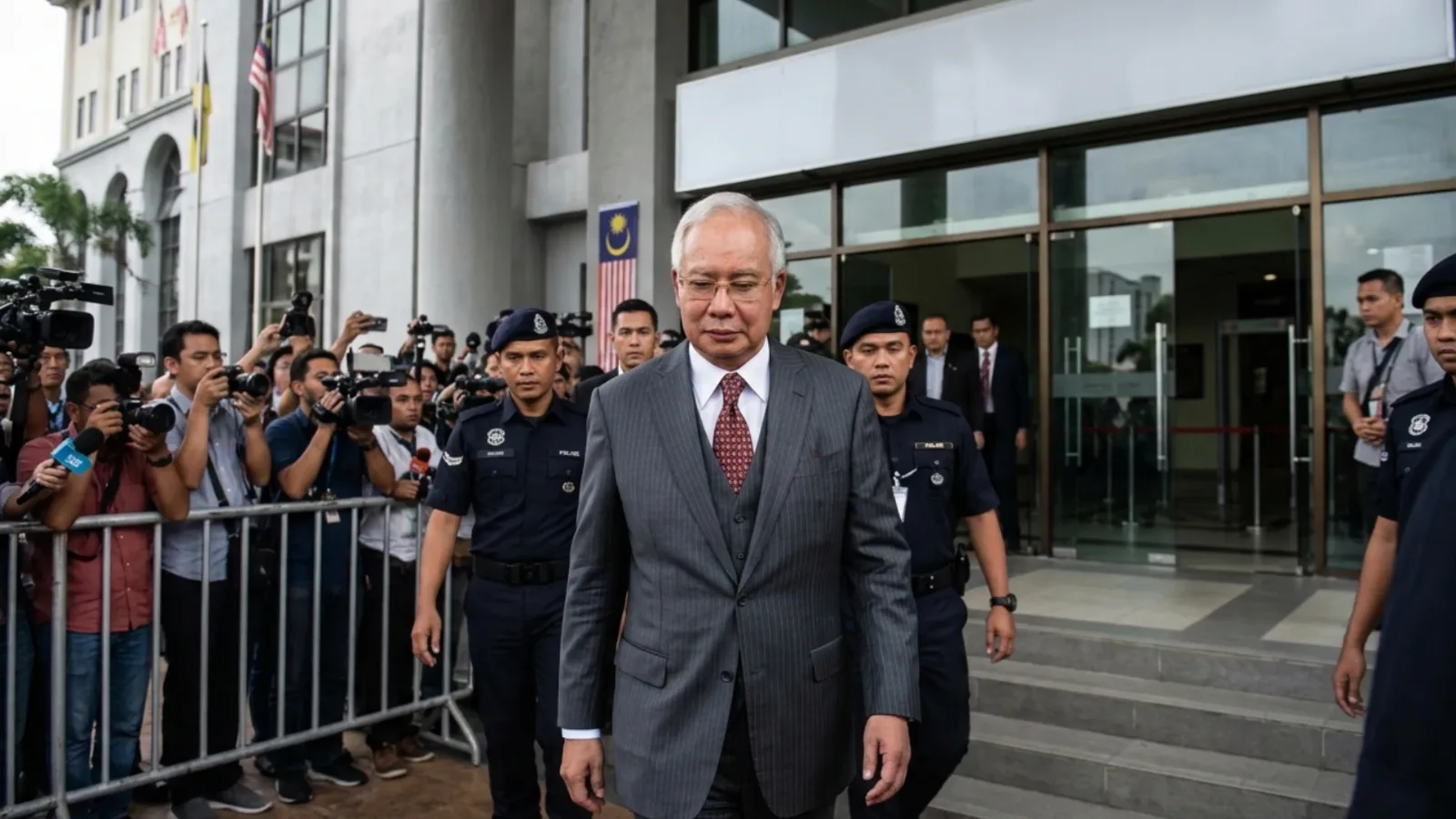
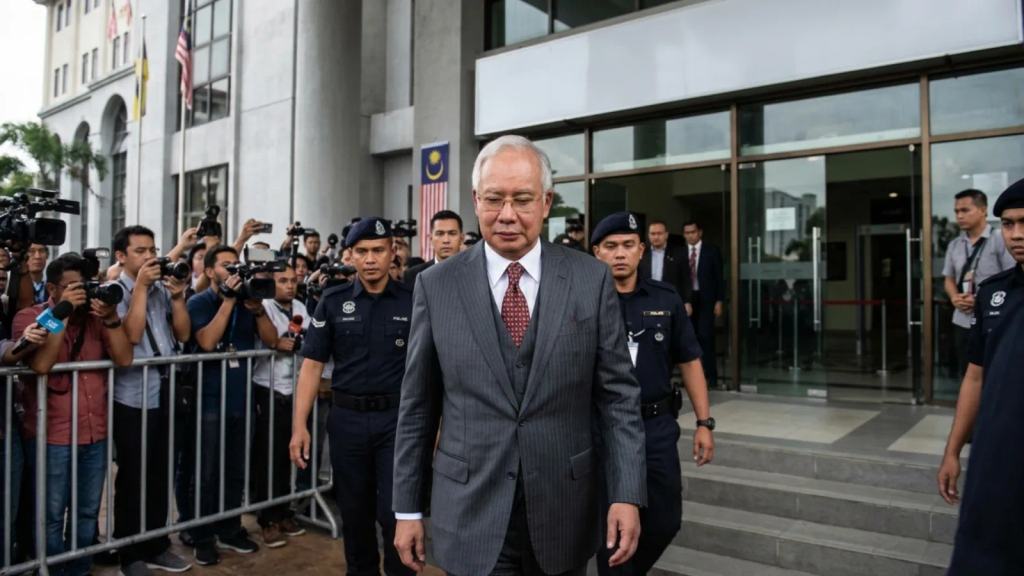
Najib house arrest has moved closer after a Malaysian High Court cleared the remaining legal obstacles to former Prime Minister Najib Razak serving the rest of a reduced prison sentence at home, according to his lawyer on Tuesday, November 10, 2026. The development follows a dispute over the implementation of a royal clemency decision linked to his imprisonment for corruption.
READ: Nigeria Joins Plan To Double Rooftop Solar Homes By 2030
The case is attracting attention because it involves a former national leader, a major financial scandal and questions about how court decisions and royal clemency should be implemented.
Read: Do you need a professional writer in 72 hours? Contact Auxi Chat
However, the latest ruling does not mean that all of Najib's legal problems are over. He faces a separate prison sentence in another case connected to the same scandal.
READ: Nearly 64,000 Nigerians Flee Violence Into Niger
Why Najib House Arrest Became A Legal Issue
Najib, who served as Malaysia's prime minister from 2009 to 2018, has been in prison since August 2022 over a corruption case linked to the multibillion-dollar 1MDB scandal.
Read: Need a professional website in 72 hours? Contact Auxi Chat
A royal clemency decision in September reduced his first sentence to six years and allowed him to serve the remainder at home after paying a court-imposed fine.
His political party paid a fine of 50 million ringgit, but the transfer from prison was delayed while the attorney general sought legal clarification about the clemency order.
The dispute raised questions about how the royal decision should be interpreted and how it interacted with existing court orders. The palace had insisted that the clemency order should be respected, while the attorney general's office said clarification was needed to establish how it should be implemented.
The High Court's latest decision clears the remaining legal obstacles to the house arrest arrangement, according to Najib's lawyer.
What The Court Decision Means
The reported arrangement would allow Najib to serve the remainder of his reduced first sentence at his home in Kuala Lumpur. His lawyer said the house arrest period would run until August 23, 2028, with the transfer expected on Tuesday.
The decision is significant because it concerns the way a royal clemency order is carried out within Malaysia's legal system.
A clemency decision can change the punishment a person must serve, but questions may arise over how the order applies to existing sentences and other legal requirements.
The latest development concerns Najib's first case. It should not be interpreted as a declaration that he has been found innocent or that the underlying conviction has disappeared.
The legal process and the punishment imposed in a criminal case are separate matters from public debate about whether a sentence should be reduced or served at home.
The 1MDB Scandal And Najib's Other Sentence
The 1MDB scandal involved a Malaysian state investment fund and allegations of large-scale financial wrongdoing. The case became an international controversy because of the sums involved and the questions it raised about the management of public money.
Najib was convicted in a case linked to the scandal and began serving his prison sentence in 2022. He has denied wrongdoing.
The latest house arrest arrangement applies only to his first case. According to the Associated Press, Najib received a separate 15-year sentence in December 2025 for corruption and money laundering in another 1MDB-related trial. He is appealing that sentence.
If that separate sentence remains in force after the appeal process, it could affect what happens after the house arrest period ends.
This distinction is important. The latest court development does not erase the separate sentence, and its eventual effect will depend on the legal outcome of that case.
Questions About Law, Power And Public Trust
The case has drawn attention to the relationship between royal authority, the courts and the office of the attorney general.
For citizens, the central issue is whether important legal decisions are applied according to clear rules. When a case involves a former national leader, public scrutiny is often greater because the outcome may influence confidence in the institutions responsible for justice.
At the same time, the legal process requires that each decision be understood according to its terms. A royal clemency order, a court conviction and an appeal serve different purposes within the justice system.
READ: INEC Removes 1.6 Million Names From Voter List
The dispute over Najib's transfer showed how uncertainty can emerge when officials disagree over the meaning or implementation of a legal order. The High Court's decision provides a further step towards resolving that dispute, although Najib's separate case remains outstanding.
What Happens Next
Najib's expected transfer to house arrest will be an important development in the implementation of his reduced first sentence.
Attention will also remain on his appeal against the separate 15-year sentence. That case could have consequences beyond the current house arrest arrangement, depending on the court's eventual decision.
For Malaysia, the case is another test of public confidence in the country's legal and political institutions. The public will be watching how the court ruling is implemented and how the separate proceedings continue.
The Najib house arrest development is significant, but it is not the end of the story. The legal consequences of the 1MDB scandal continue, and the distinction between a reduced sentence and a separate conviction remains central to understanding what happens next.
Are you interested in learning how to write professionally and earn money as a writer and content creator? Contact Auxi Chat today to start your writing journey immediately.
Need a professional website in 72 hours? Contact Auxi Chat
If you have an article, opinion piece, event or news story you would like published, Global News Arena would love to hear from you.