Orange Culture fashion and the Power of Personal Expression
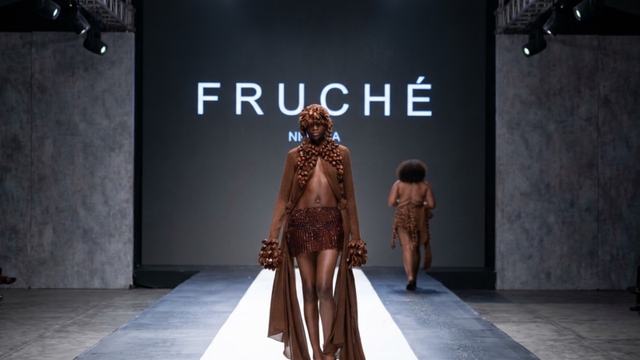
READ: Fruché fashion Pushes the Boundaries of Contemporary African Fashion
Clothing can communicate things that people find difficult to explain in words. It can signal confidence, challenge expectations, express belonging or reveal a person’s desire to be understood differently. Orange Culture has built much of its identity around this expressive potential.
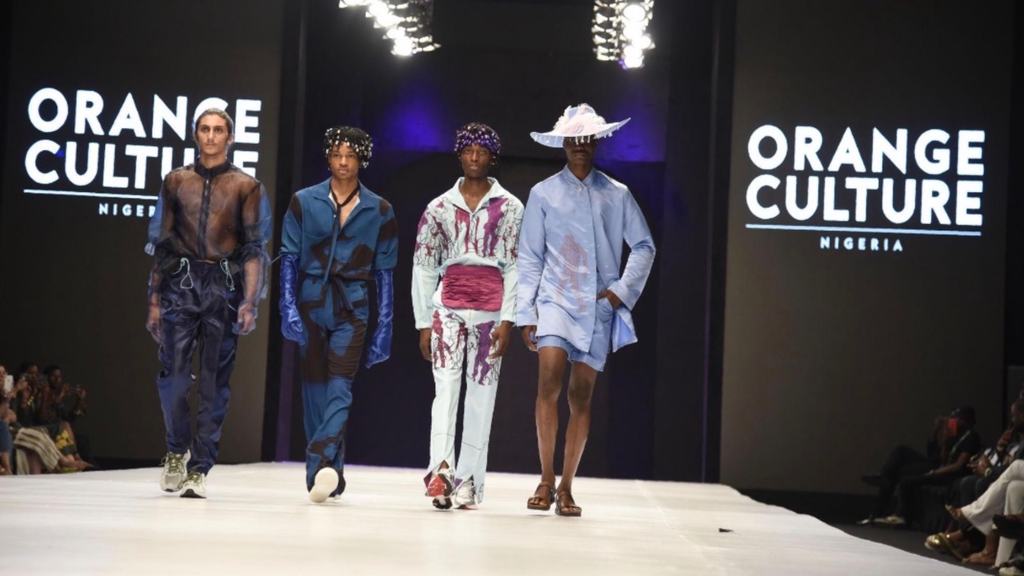
Founded in 2011 by Nigerian designer Adebayo Oke-Lawal, the label emerged with an interest in contemporary clothing that combines Nigerian references with universal silhouettes. Its design language incorporates colour, printed fabrics, streetwear influences and garments that challenge rigid distinctions between menswear and womenswear.
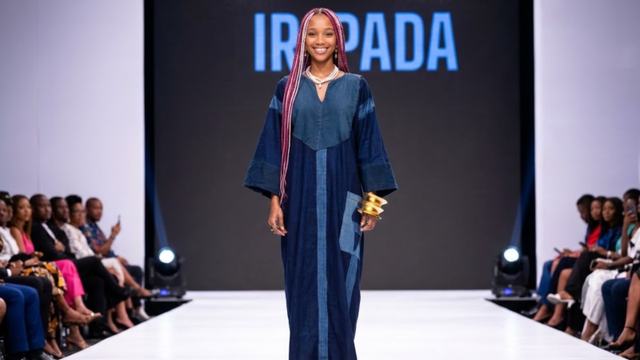
READ: Irapada fashion Explores Nigerian Fashion Through Creative Reuse
Orange Culture is more than a clothing label in the conventional sense. Its creative philosophy positions fashion as a way of communicating ideas about identity, social expectations and the experiences of contemporary Africans.
That ambition gives the brand a distinctive place in an industry where labels must balance creative expression with commercial demands. Orange Culture’s identity is not built solely around a particular cut or fabric. It is also connected to the questions the designer wants people to consider when they encounter the clothes.
Adebayo Oke-Lawal: The Designer Behind Orange Culture
Adebayo Oke-Lawal developed an interest in design at an early age and began building his experience through practical exposure to the Nigerian fashion industry. His journey demonstrates how creative ambition can develop through observation, experimentation and the determination to turn personal ideas into a functioning business.
Before establishing Orange Culture, Oke-Lawal gained experience working with other Nigerian designers. That exposure helped him develop an understanding of garment production and the wider processes involved in building a label.
In 2011, he launched Orange Culture and presented its early work at Lagos Fashion Week, then known as Lagos Fashion and Design Week. The debut connected the young label to an important platform for contemporary African fashion and introduced its creative direction to a wider audience.
Oke-Lawal’s design philosophy has consistently explored the way clothing communicates ideas about masculinity, identity and self-expression. Rather than accepting that garments must conform to fixed expectations about who should wear them, Orange Culture creates silhouettes that allow greater freedom in personal styling.
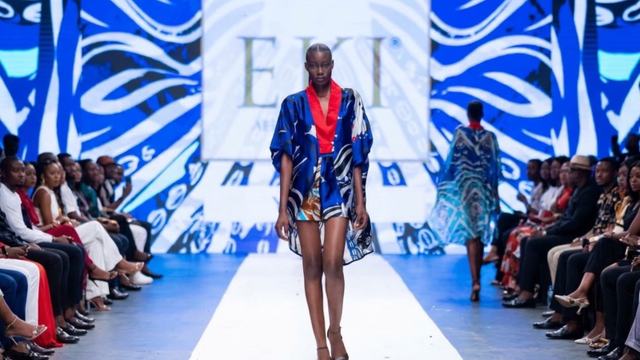
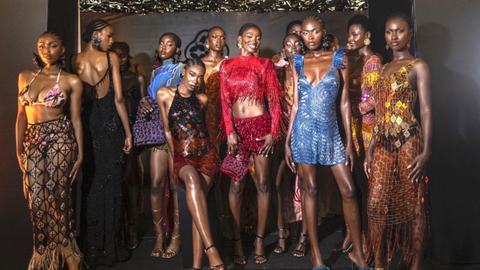
This approach is supported by a distinctive visual language. Nigerian-inspired prints, unexpected fabric combinations, colour and contemporary streetwear elements contribute to the label’s identity.
The Meaning Behind Orange Culture’s Design Philosophy
The word culture in the brand’s name is particularly significant. It suggests that clothing exists within a wider social environment shaped by family, community, history, popular culture and personal experience.
Orange Culture uses fashion to explore that environment. Its collections invite people to think about the assumptions attached to particular garments and the ways appearance influences social interactions.
This is not simply an abstract creative exercise. Clothing has long played an important role in the way people communicate status, profession, cultural identity and personal taste. Designers who question established conventions can therefore influence how people understand themselves and others.
The label’s fluid silhouettes also demonstrate that contemporary African fashion is not limited to a single definition of tradition. African identity can be expressed through inherited textile references, modern tailoring, urban influences or combinations of all three.
For me, that is one of the most interesting aspects of Orange Culture. Its work presents Nigerian identity as something that can continue to evolve rather than something that must be represented through a fixed collection of symbols.
Recognition Beyond Nigeria
Orange Culture has gained international recognition through its participation in fashion platforms and its engagement with wider creative audiences. The label has been associated with international fashion events and received attention for its distinctive approach to gender-fluid design and African-inspired contemporary clothing.
Oke-Lawal’s achievements include recognition through the Business of Fashion BOF 500 list in 2022. Orange Culture was also selected as a finalist for the LVMH Prize in 2015, an achievement that placed the brand within an international conversation about emerging fashion talent.
Such recognition can help a designer reach new audiences, but international attention does not automatically resolve the challenges of operating a fashion business. Brands still need to maintain quality, organise production, establish retail relationships and understand the commercial requirements of different markets.
The more important question is how a label converts recognition into a durable business. That requires a consistent identity, a clear understanding of customers and the ability to deliver products that fulfil expectations.
Orange Culture at Lagos Fashion Week 2026
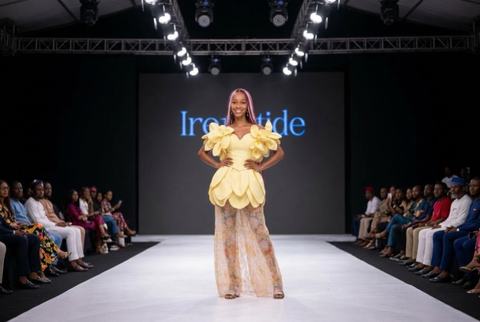
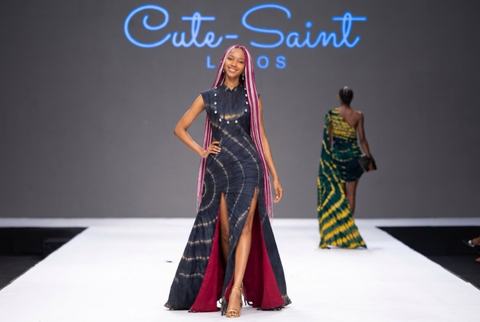
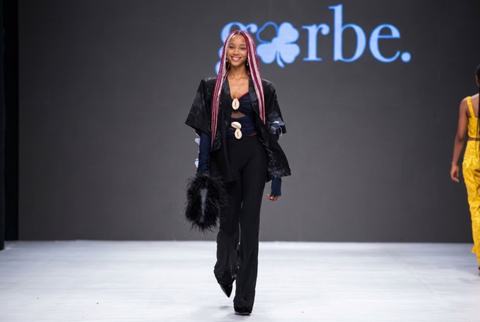
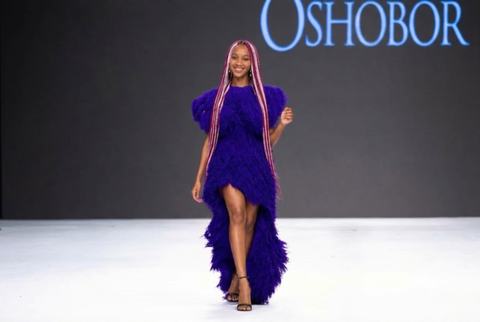
Orange Culture was scheduled for an offsite presentation at 7 p.m. on Wednesday, 28 October, during the opening day of Lagos Fashion Week 2026.
The appearance formed part of an opening programme that combined offsite designer presentations, industry discussions and a welcome party. The main runway shows followed from Thursday through Saturday at the Lagos Fashion Week tents at the Federal Palace Hotel on Victoria Island.
For Orange Culture, participation in Lagos Fashion Week connects the label to a platform that has been part of its history from the beginning. Its debut at the event in 2011 established an early relationship with a fashion community that has continued to grow in visibility and ambition.
The platform also offers an opportunity to communicate the brand’s ideas in a setting where designers, journalists, buyers and other professionals can encounter the work directly.
An offsite presentation can provide a more focused environment for this purpose. It can bring attention to the clothing, the styling and the story behind the collection without depending entirely on the conventions of a large runway production.
African Fashion and the Question of Identity
The success of African fashion should not be measured only by how closely designers follow international trends. It should also be assessed by the range of ideas they introduce and the extent to which they create meaningful opportunities for African businesses and makers.
Orange Culture contributes to that conversation by treating fashion as a space for exploring identity. Its work demonstrates that contemporary Nigerian clothing can engage with global conversations while retaining a perspective shaped by local experiences.
This is important because African designers frequently operate within competing expectations. They may be encouraged to display cultural references for international audiences while also being expected to satisfy customers who prefer minimalist, contemporary or globally familiar styles.
A strong creative identity allows a brand to move between these expectations without losing its character. It also gives customers a reason to engage with the label beyond a single trend.
From Creative Visibility to Commercial Growth
Fashion shows and editorial coverage can create valuable exposure, but a sustainable label requires more than attention. Production capacity, supplier relationships, pricing, distribution and customer service are all important parts of the business.
For Orange Culture, the challenge is to continue translating its creative philosophy into products that customers can access and wear. The label must protect the originality of its work while responding to the realities of manufacturing and selling clothing.
The wider Nigerian fashion industry faces similar questions. Designers need opportunities to scale production, access reliable materials, build retail relationships and reach customers outside their immediate networks.
Lagos Fashion Week contributes by bringing together creative businesses and industry professionals. However, the longer-term value of participation depends on what follows the presentation: orders, collaborations, new customers and stronger commercial relationships.
Conclusion: Orange Culture fashion Continuing Contribution
Adebayo Oke-Lawal’s Orange Culture has established a distinctive position in Nigerian fashion through its exploration of identity, fluid silhouettes, colour and contemporary African references.
Its involvement in Lagos Fashion Week 2026 continued a relationship that began with the label’s early presentation in 2011. The brand’s presence also reinforced the importance of fashion as both a creative discipline and a means of communicating social ideas.
For me, Orange Culture’s enduring interest lies in its refusal to treat clothing as something separate from the person wearing it. Its garments participate in a wider conversation about individuality, culture and the freedom to define oneself.
The future of the label, like that of other independent fashion businesses, will depend on its ability to maintain that creative conviction while building the commercial foundations necessary for longevity.
What I find most compelling is the possibility that a Nigerian fashion brand can create not only a recognisable look, but also a conversation that continues long after a collection has left the runway.
The writer of this article does not claim to know the individuals named personally. The information about their backgrounds, as published on Global News Arena, is based on independent online research.
The writer of this article does not claim to know the individuals named personally. The information about their backgrounds, as published on Global News Arena, is based on independent online research.
The writer of this article does not claim to know the individuals named personally. The information about their backgrounds, as published on Global News Arena, is based on independent online research.
Are you interested in learning how to write professionally and earning money as a writer and content creator? Contact Auxi Chat today to start your writing journey immediately.
If you have an article, opinion piece, event or news story you would like published, Global News Arena would love to hear from you.