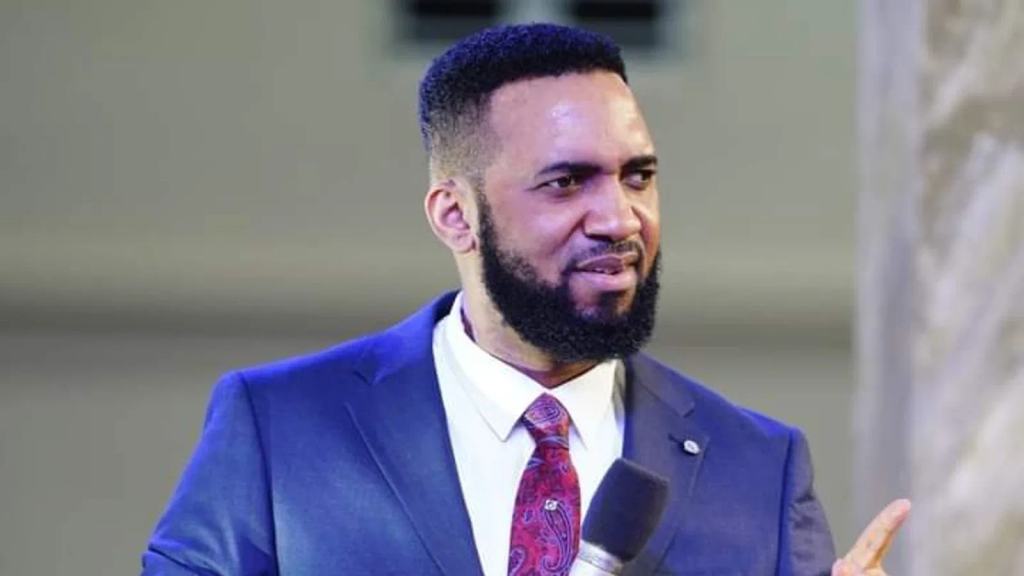
Pastor Chris Okafor is a Nigerian Christian minister and the founder and senior pastor of Mountain of Liberation and Miracle Ministry, widely known as Liberation City. The ministry and its leader have attracted public attention through church services, media outreach, and public controversies.
An examination of Pastor Chris Okafor and Liberation City should distinguish the ministry's institutional history and religious activities from allegations concerning its founder. Claims made by individuals, statements issued by the ministry, and allegations raised in legal proceedings should be clearly attributed to their respective sources rather than presented as established facts without supporting evidence.
The Ministry and Its Public Presence
In a 2014 interview, Okafor reportedly stated that the ministry had celebrated its tenth anniversary in 2013, suggesting that its establishment dates back to approximately 2003. During the interview, he discussed the ministry's programmes, evangelism, and television outreach.
A subsequent profile described the ministry's base in Lagos and its public identity as Liberation City. Interviews and published statements from a religious leader can provide insight into how the ministry presents its history, mission, and activities. However, claims concerning its size, influence, reach, or impact should be independently verified before being stated as established facts.
Liberation City operates within Nigeria's broader Pentecostal Christian landscape, where churches commonly combine worship services, preaching, prayer meetings, broadcasting, evangelism, and community activities. Understanding the work of a ministry requires examining its official publications, public programmes, institutional records, and, where appropriate, accounts from current and former members.
Claims concerning healing, prophecy, humanitarian activities, or other religious outcomes should be attributed to the ministry or the individuals making them unless independent evidence supports those claims. This approach allows readers to understand a church's public identity without confusing its promotional statements with independently established findings.
The Public Controversy Involving Doris Ogala
The dispute between Pastor Chris Okafor and Nollywood actress Doris Ogala became a subject of public discussion after Ogala made statements concerning a past relationship and alleged promises of marriage.
Reports place a significant escalation of the controversy in December 2025, following the circulation of a video showing Okafor's engagement to another woman. Ogala subsequently made public statements about the relationship and her understanding of their personal commitments.
The accounts of the two parties should be treated separately. Statements made by Ogala concerning the relationship do not, by themselves, establish the truth of every allegation, just as a response from Okafor or his representatives should not automatically be treated as conclusive evidence. A balanced account should identify the source of each claim and incorporate any relevant response that can be independently verified.
The controversy also raises broader questions about the boundaries between private relationships, public accountability, and the responsibilities of individuals who occupy influential positions within religious institutions.
The Reported Court Proceedings in October 2026
According to reports described in the supplied account, Ogala was arraigned before the Federal High Court in Lagos in October 2026 in a case involving allegations concerning online communications and intimate images.
The prosecution reportedly alleged offences involving cyberbullying, cyberstalking, and attempted extortion. Ogala pleaded not guilty, and the court reportedly ordered her remand pending the determination of her bail application.
These developments must be understood within the context of criminal procedure. An arraignment is not a conviction, a plea of not guilty is not a determination of the underlying facts, and a remand order does not establish that the accused committed the alleged offences.
The precise charges, applicable statutory provisions, court orders, and subsequent developments should be confirmed through official court records or reliable reporting before publication. Any account of the proceedings should also distinguish the prosecution's allegations from evidence that has been tested in court and findings made by the judge.
The legal dispute has drawn attention to the wider relationship between digital communications, privacy, public accusations, and the law. However, the legal responsibility of any individual can only be assessed by reference to the applicable law and the evidence presented through the proper judicial process.
Why Precision Matters When Writing About a Pastor
A religious leader may occupy a position of public influence while retaining rights to privacy, fair treatment, and the presumption of innocence in criminal proceedings. The public may have a legitimate interest in the leadership, finances, governance, and conduct of a religious institution, but that interest does not eliminate the need for accuracy, evidence, and a fair opportunity for those concerned to respond.
Responsible reporting should distinguish between a statement made by a party and a fact independently established; an allegation in a charge sheet and evidence tested at trial; a court order concerning bail or remand and a judgment on guilt; and the actions of an individual pastor and the activities of a congregation or ministry as an institution.
It is equally important to avoid unnecessary claims about family members, private relationships, or alleged misconduct where the information is unverified, irrelevant to the public interest, or potentially harmful without a sufficient factual basis.
These distinctions are particularly important when reporting on religious leaders because public discussions can affect not only the individuals involved but also congregations, families, and wider communities.
Questions Readers Should Ask
When assessing coverage of Liberation City or any other religious organisation, readers should consider the origin and reliability of the information being presented.
Is the information drawn from a direct statement, an official church publication, a court document, an interview, or second-hand reporting? Has the individual or institution concerned been given a fair opportunity to respond? Does the report distinguish established facts from allegations that remain unresolved? Are claims about the ministry supported by verifiable records, or are they repeated from promotional material or social media commentary?
Readers should also consider whether a report accurately describes the legal stage of a case. An arrest, arraignment, bail hearing, or remand order has a different legal meaning from a conviction following trial.
Asking these questions helps readers understand Liberation City's public role without confusing religious belief, institutional reputation, personal allegations, and judicial findings. It also provides a more informed way to follow the dispute involving Ogala and Okafor without reducing a complex matter to online speculation or entertainment.
Further Reading
Readers seeking to understand the legal issues raised by cases of this nature may wish to explore the meaning of criminal charges, bail, and remand under Nigerian law. Further reading on responsible celebrity reporting and the treatment of allegations involving public figures can also help explain the standards that should guide coverage of sensitive controversies.
Editorial Disclaimer
The writer of this article does not claim personal knowledge of the individuals named. Information concerning their backgrounds and the allegations discussed in this article, as published on Global News Arena, should be assessed against reliable sources and independently verified records.
All criminal allegations must be distinguished from convictions. Individuals accused of offences are presumed innocent unless and until their guilt is established by a competent court. Allegations concerning personal relationships, financial disputes, online communications, or other potentially damaging matters should be attributed to their sources and reported with appropriate context.
About Global News Arena
If you have an article, opinion piece, event, or news story you would like to submit for publication, Global News Arena would love to hear from you.