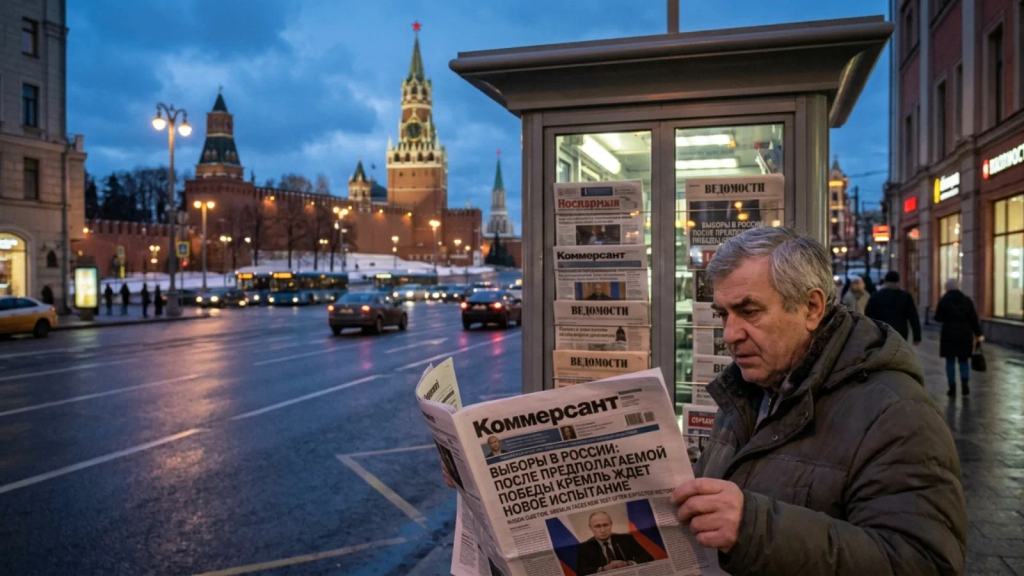
Russia’s latest parliamentary election may not have delivered a major surprise, but what happens after the votes are counted could matter far more.
Preliminary results cited by the BBC indicate that United Russia, the party backed by President Vladimir Putin, is on course to retain its constitutional majority in the State Duma, Russia’s lower house of parliament.
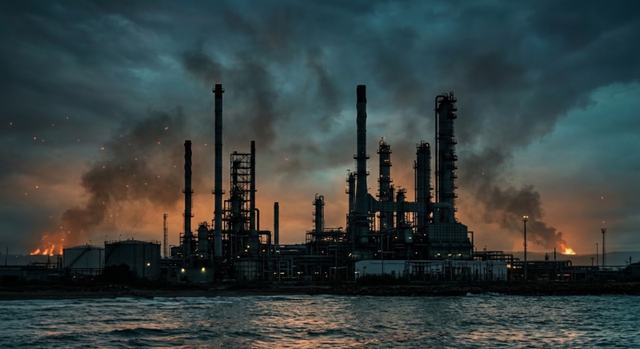
The result comes after more than four years of war in Ukraine, with Russia facing battlefield losses, economic pressure and recent fuel shortages linked to Ukrainian drone attacks on oil facilities.
The election also took place in a tightly controlled political environment. Yabloko, described by the BBC as the only anti-war political party allowed to participate, was removed from the party list just 12 days after being registered. Its chairman, Nikolai Rybakov, also alleged that some candidates were jailed or prevented from running.
The parties expected to enter the new parliament are largely familiar faces from the previous Duma, which supported the Kremlin and its war policy.
That is why the biggest question may not be who won, but what the Kremlin decides to do with the result.
The BBC reports that the Russian government could present the outcome as evidence of public support for Putin and use it to justify future policies, including decisions concerning the war in Ukraine.
For ordinary people, however, the political consequences can eventually become everyday realities. Decisions made in Moscow can affect fuel availability, household costs, employment, travel and the wider economy.
Putin recently ruled out another mobilisation drive, saying there was currently no scenario requiring one. But concerns about another round of mobilisation remain in Russian society.
The election result may therefore close one political chapter while opening another: whether the Kremlin uses its strengthened parliamentary position to maintain its current course or make significant changes in the months ahead.
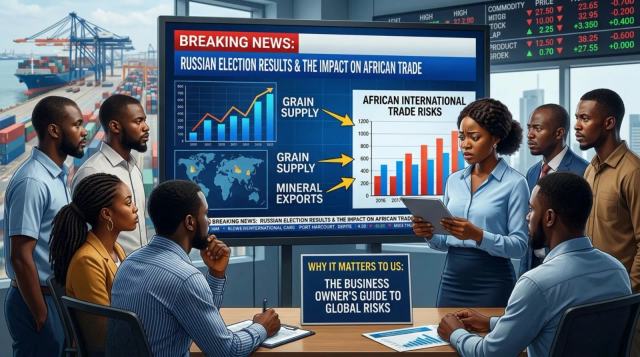
For Nigerian businesses operating internationally, stories like this are a reminder that global politics can influence markets far beyond the countries directly involved. Changes in energy prices, trade conditions and foreign exchange markets can eventually affect businesses and consumers here.
If you have an article, opinion piece, event or news story you would like published or you are ready to begin your journey toward building a profitable online content writing business from your phone or laptop, Global News Arena would love to hear from you.
Send an email to advertise@globalnewsarena.com