I've been watching the AI conversation between the US and China closely, and what stands out to me isn't just the politics there is a signal underneath it and hear me out, It's not one of those "conspiracy theories”.
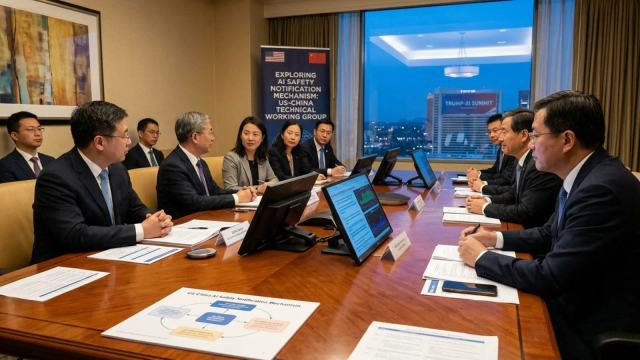
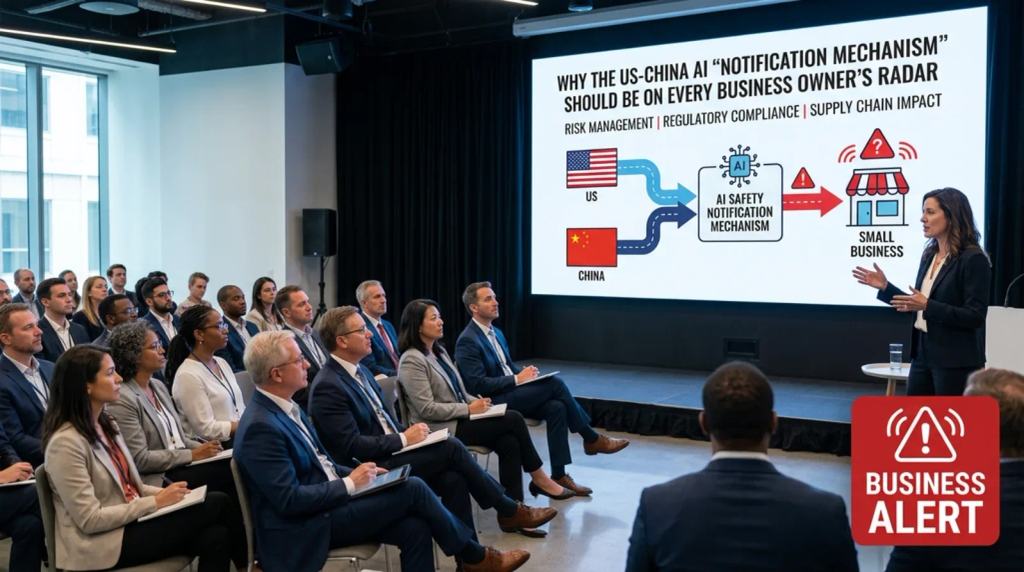
Top US and Chinese officials reportedly discussed setting up a "notification mechanism" to flag AI incidents that could affect national security, according to US Treasury Secretary Scott Bessent. He disclosed this after what he called "successful" talks with Chinese Vice Premier He Lifeng, just days ahead of a planned summit between President Trump and President Xi in Washington. Bessent framed it plainly: moving from opacity to transparency between "the number one and the number two AI powers in the world" matters, especially given growing concern among researchers and industry figures about the pace and risks of AI development.
The talks also touched on tariffs, with a truce between the two economies set to expire on 10 November, adding urgency to the broader conversation. Chinese state media described the exchanges as "candid, in-depth and constructive." None of this is new territory either, AI came up when Xi hosted Trump in Beijing back in May, alongside trade concessions on aircraft and agricultural goods.
What I keep coming back to is this: when the two largest AI powers in the world start formalising how they talk to each other about AI risk, that's not a side conversation anymore. It's a signal that AI has moved from "interesting new technology" to a factor shaping trade policy, national security strategy, and international relations. And when that shift happens at the top, it eventually filters down to regulation, to which AI tools get restricted or prioritised, to how businesses everywhere are expected to use the technology responsibly.
Most business owners, understandably, aren't tracking any of this. They're focused on running their operations, not reading transcripts of US-China trade talks. But AI policy shifts have a way of arriving at your doorstep before you've had time to prepare for them, a tool you rely on gets restricted, a competitor adopts something you haven't heard of yet, or new expectations around AI use start showing up in your industry without warning.
This is exactly the gap that comes from reacting to AI developments instead of tracking them. And it's where I think a service like Auxi Sherpa's Deep AI Research earns its place. Not just as a "nice to have," but as a way for business owners to actually stay ahead of where AI, regulation, and global tech competition are heading, instead of finding out after it's already reshaped their industry. Research that used to be reserved for governments and large corporations is now something small and mid-sized businesses can access too, and in a moment where AI is becoming this geopolitically significant, that head start matters more than most people realise.
The Trump-Xi summit will make headlines for a day or two. But the deeper story — how AI is being negotiated, governed, and positioned between the world's two biggest powers — is one that's going to keep shaping business decisions long after the news cycle moves on.
If you have an article, opinion piece, event or news story you would like published or you are ready to begin your journey toward building a profitable online content writing business from your phone or laptop, Global News Arena would love to hear from you.
Send an email to advertise@globalnewsarena.com