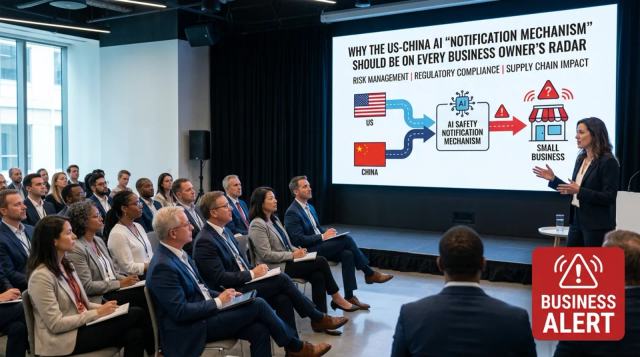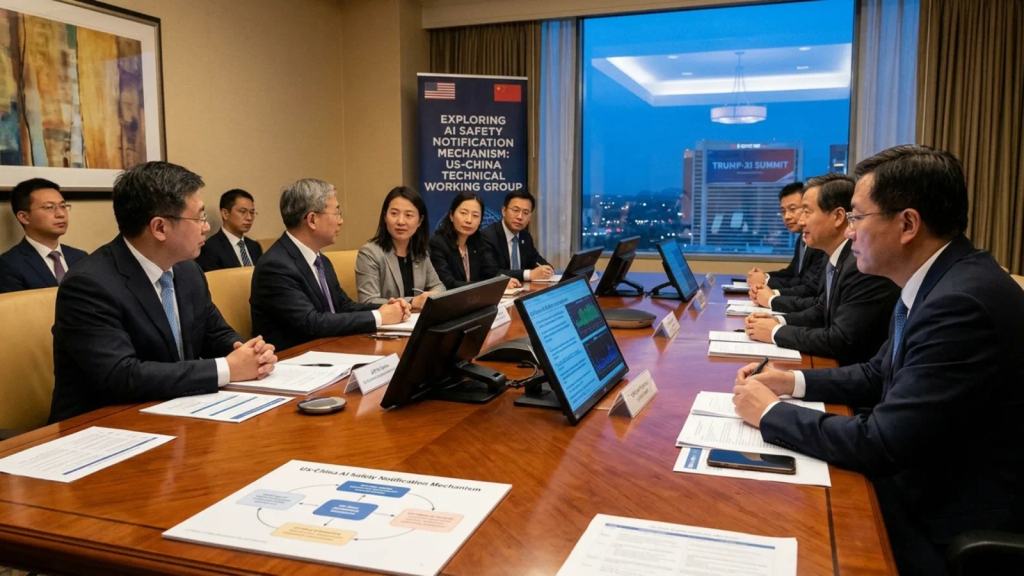
I'm following a significant development out of New York, where top US and Chinese officials have discussed setting up a new "notification mechanism" to flag AI incidents that could affect national security, according to US Treasury Secretary Scott Bessent.
Bessent disclosed this on Sunday after what he described as "successful" talks with Chinese Vice Premier He Lifeng, coming just days ahead of a planned summit between President Donald Trump and Chinese President Xi Jinping in Washington.
From what I gather, the discussions centred on improving transparency between the world's two leading AI powers. "We think that, just like with any cross-border activity, that moving from opaque to more transparency between the number one and the number two AI powers in the world is very important," Bessent told reporters.
To me, the timing of these talks feels especially significant. They come at a sensitive moment for the AI industry, with researchers recently warning of the potential risks posed by the technology, and several high-profile industry figures calling for a more cautious approach to its development.
Bessent said the New York meeting also touched on plans to "operationalise" the Board of Trade, a process aimed at identifying possible tariff cuts on goods traded between the two countries. I note that a truce in the ongoing tariff dispute between the two economies is set to expire on 10 November, adding urgency to these discussions.
Chinese state news agency Xinhua described the exchanges as "candid, in-depth and constructive," confirming that AI was among the issues discussed. I understand the BBC has contacted the Chinese embassy in the US for comment, though a response is yet to be confirmed.
In a post on social media platform X, Bessent said the talks "help lay the groundwork for President Trump to advance America's economic interests and deliver results for the American people."
As I see it, this engagement follows months of intensifying competition between Washington and Beijing over AI dominance. Trump has largely dismissed concerns about the pace of AI development, insisting existing policies are adequate and that the US cannot afford to cede ground to China. Earlier this month, he said, "whoever wins in AI, wins."
I'd also point out this isn't the first time AI has featured in talks between the two leaders. When Xi hosted Trump in Beijing back in May, avenues for AI collaboration were part of the conversation. Those talks concluded with China agreeing to purchase Boeing aircraft and US agricultural goods in exchange for reduced tariffs.
As Wednesday's summit approaches, I'm watching closely to see how both sides balance a stated willingness to manage AI-related risks against their continued rivalry for technological leadership, a dynamic I expect will shape global trade and security discussions in the months ahead.
If you have an article, opinion piece, event or news story you would like published or you are ready to begin your journey toward building a profitable online content writing business from your phone or laptop, Global News Arena would love to hear from you.
Send an email to advertise@globalnewsarena.com