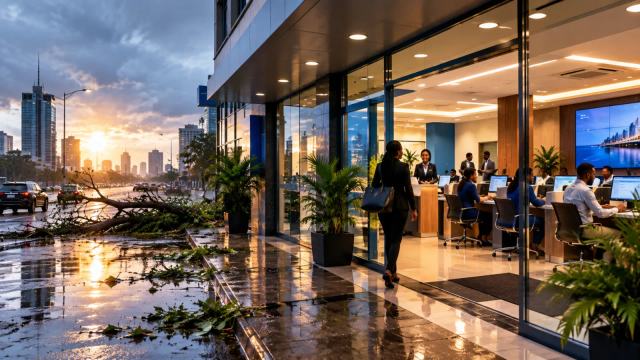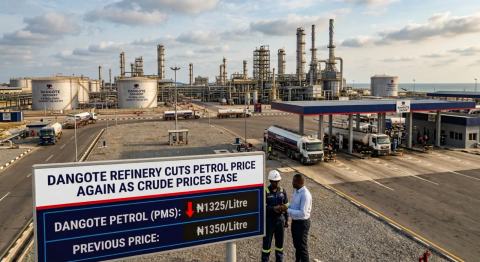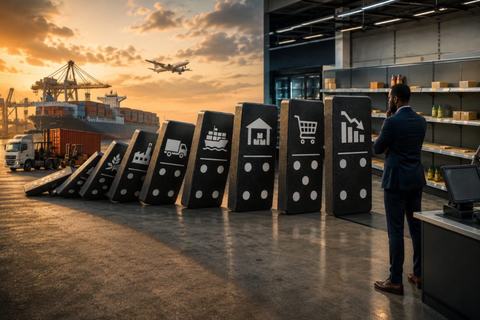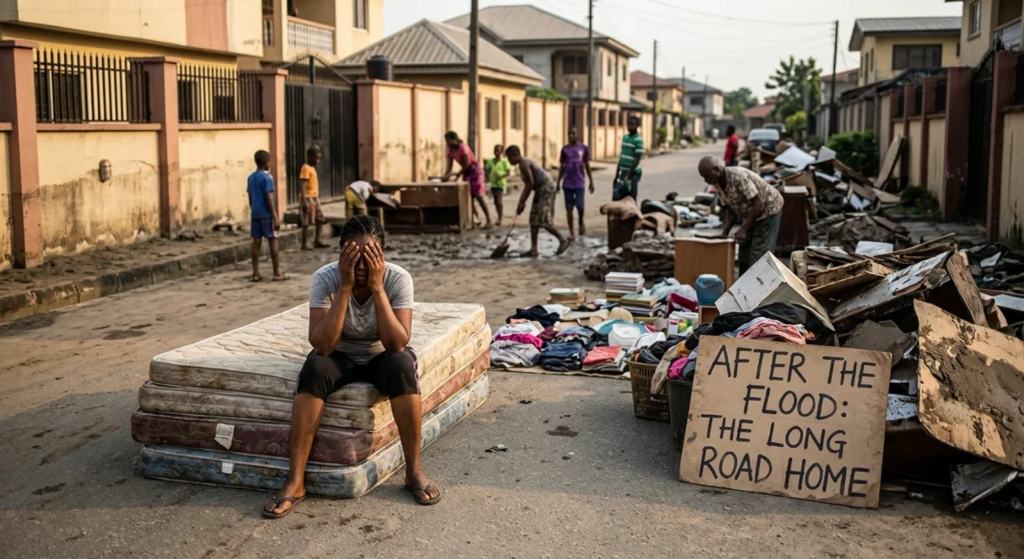
When we talk about flooding in Nigeria, we usually talk about what we can see; flooded roads, damaged shops, lost goods, families relocating, schools shutting down. A recent alert from the Nigeria Hydrological Services Agency warned that over 8,000 communities and about 4,500 schools across 15 states, including Rivers, Lagos, Bayelsa, Delta, Imo, Anambra, Ebonyi and Cross River, could face flooding between September 19 and 25.
What doesn't make the news is what happens to people emotionally once the water goes down.
It's easy to think about flooding purely in terms of property, repair costs, destroyed stock, when a road or business will reopen. But imagine losing stock it took months to build up. Imagine watching water enter a home your family has lived in for years. Imagine being unable to work for days while bills keep arriving. The financial loss is real, but so is the emotional weight carried alongside the exhaustion, fear, and uncertainty that don't disappear once the physical cleanup is done.
There's a tendency to tell people to "be strong" after something like this. Sometimes that's what's needed. But strength isn't the same as pretending something didn't affect you. You can be grateful your family is safe and still be shaken by what happened. You can be determined to rebuild your business and still feel anxious about money. Physical recovery and emotional recovery don't move at the same pace. A shop can be cleaned in a week, but the person who lived through the disruption may carry it much longer.
That's why disaster preparedness should include emotional wellbeing, not just evacuation routes and property protection. If you or someone around you has gone through something overwhelming, talking to someone, a trusted person, a counsellor, a therapist can always help. There's nothing dramatic about needing support; sometimes you just need space to process what happened.
For business owners this matters even more, because rebuilding often piles on pressure all at once: restocking, paying staff, reaching customers, finding a new location. Underneath all of that responsibility, you're still a person.
Technology can support parts of recovery like the digital records that protect information, online tools that keep a business connected to customers when a physical space isn't accessible. But none of that replaces human support. That's where Auxi Sherpa's therapy sessions come in, It is a starting point for people who know they need support but aren't sure where to begin, treating emotional wellbeing with the same seriousness as physical safety.
If you're checking in on someone affected by flooding, don't only ask what they lost. Ask how they're actually doing. Surviving the flood is the first step. Recovering from it is another.
If you have an article, opinion piece, event or news story you would like published or you are ready to begin your journey toward building a profitable online content writing business from your phone or laptop, Global News Arena would love to hear from you.
Send an email to advertise@globalnewsarena.com