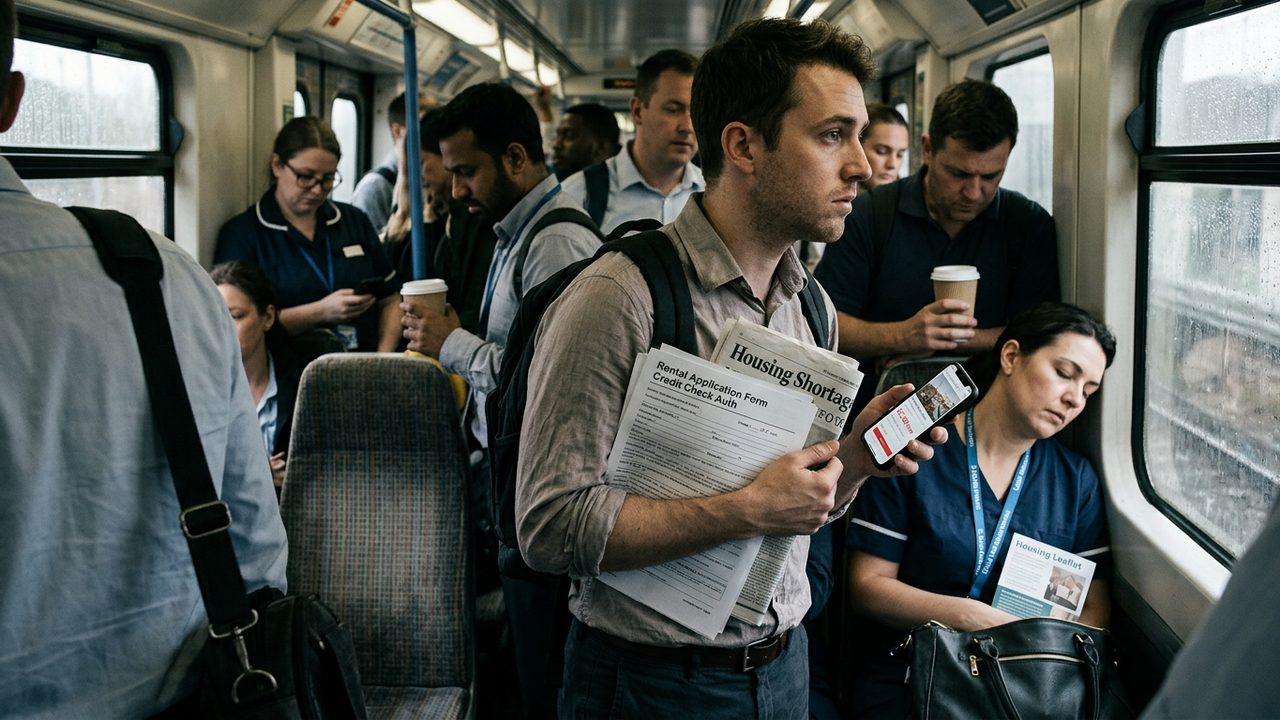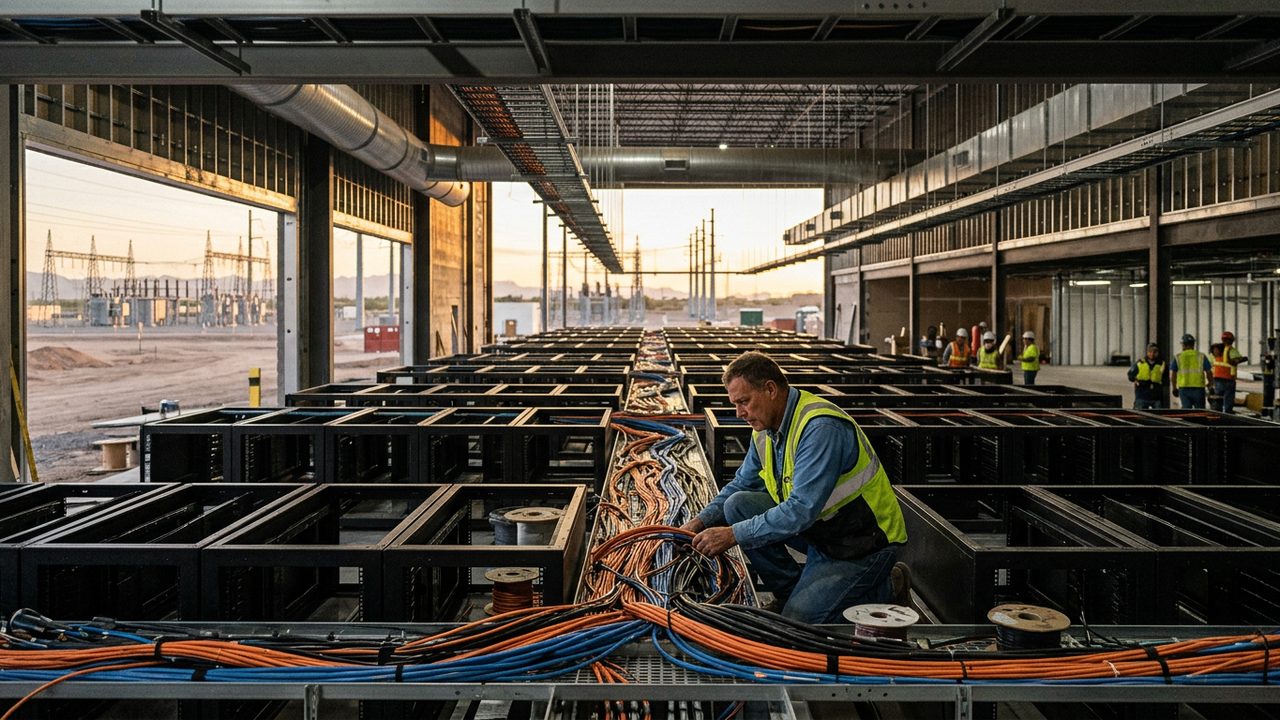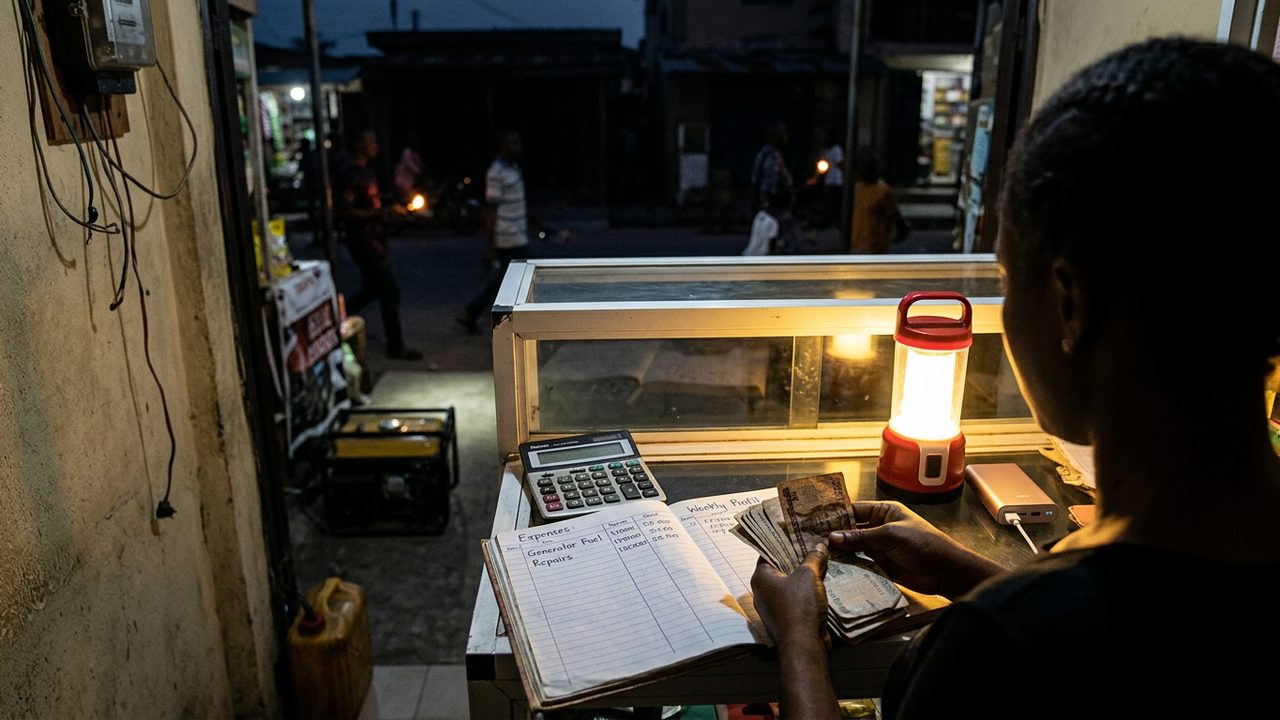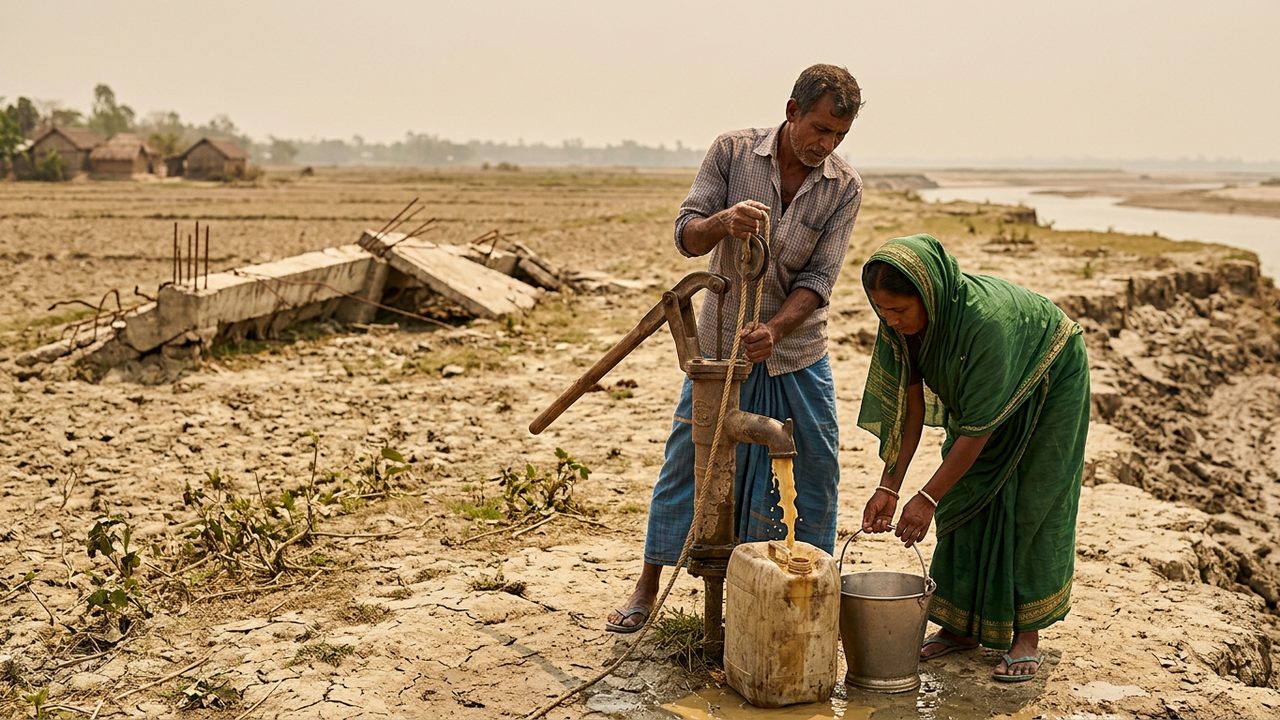
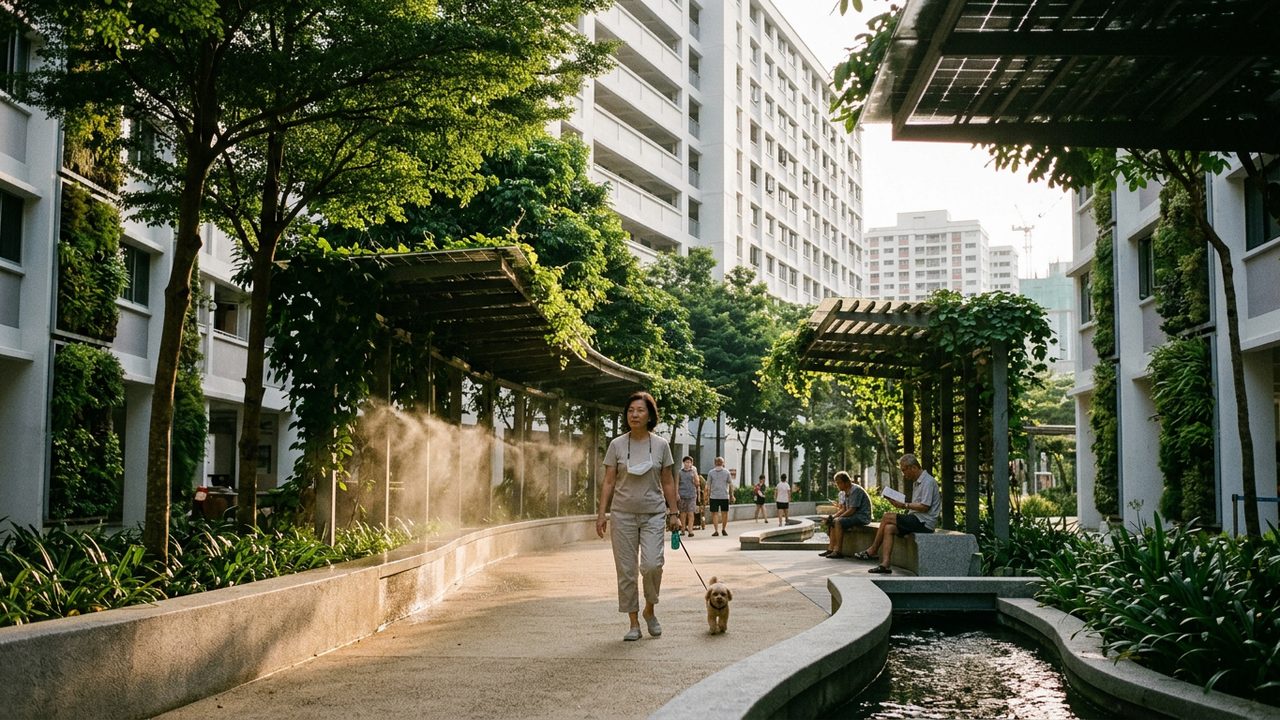
Heat has become the defining summer risk in much of urban Asia, and the response has moved from advisory notices to physical change.
Tree planting and shade structures deliver the largest measured reductions in street-level temperature per unit spent, ahead of most engineered solutions.
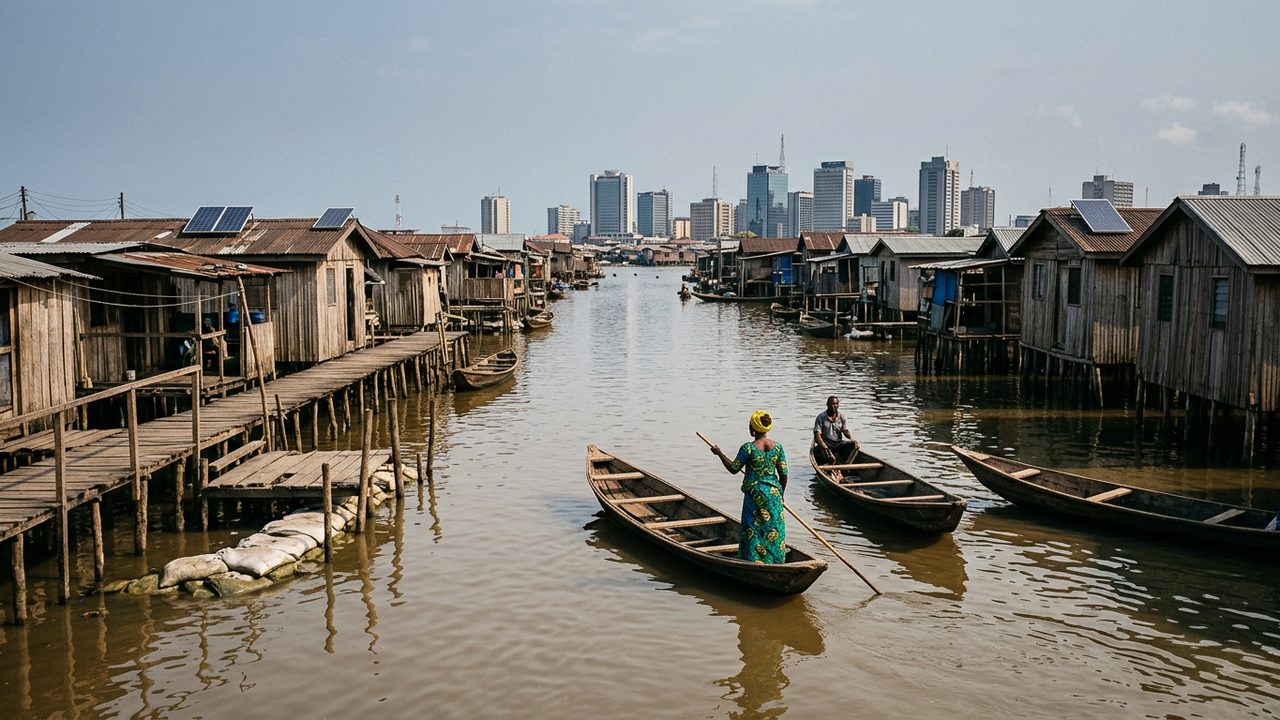
Building codes are slower to shift. Cooling requirements raise construction costs, and enforcement in informal housing is close to non-existent.
Cities that appointed a single official responsible for heat have moved fastest, largely because the problem crosses every departmental boundary.