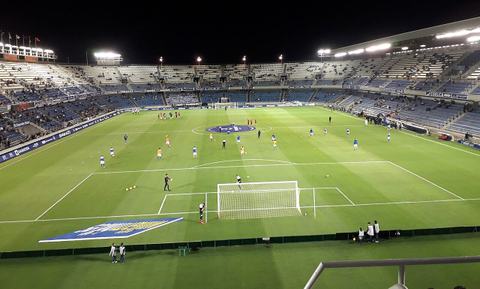
La Liga is the highest division of men’s professional club football in Spain. Known formally as the Primera División, it has become an international sporting institution through its technical quality, famous rivalries and the achievements of its clubs in European competition.
READ: Felipe Miñambres: Biography, Career and Football Life
Its name also carries a broader institutional meaning. LaLiga, the professional league organisation, represents clubs in Spain’s top two men’s divisions and manages major commercial and administrative aspects of those competitions. The top division remains its most recognisable expression.
Origins and early development
READ: Taiwo Odukoya: Biography, Career and Ministry Legacy
Spain’s national league began in 1929 with ten clubs. Before its creation, regional competitions and the national cup had provided the principal stages for Spanish club football. A league offered a regular schedule in which leading teams could compete for a national championship.
Barcelona won the inaugural title. Real Madrid and Athletic Club were also among the founding participants, establishing a connection between the competition’s earliest years and some of its most enduring institutions.
The Spanish Civil War interrupted the championship during the 1930s. After competition resumed, the league continued to develop, expanding its membership and audience over subsequent decades. Radio, television and later digital broadcasting helped transform a domestic contest into a worldwide attraction.
How the competition works
Under its established modern format, La Liga consists of 20 clubs. Each team plays every other side twice, once at home and once away, producing a 38-match league season for each club.
Teams receive three points for a victory and one for a draw. The club with the most points at the end of the season becomes champion, with defined tiebreaking rules used when teams finish level.
The bottom three clubs are relegated to Spain’s second division, while three teams come up through that division’s promotion system. League positions also help determine qualification for European club competitions, subject to the applicable rules and cup results.
This structure gives the championship several overlapping contests. Alongside the title race, clubs compete for European places, mid-table security and survival, making the league significant well beyond its most famous fixtures.
Clubs, rivalries and celebrated players
Real Madrid and Barcelona are La Liga’s most successful title-winning clubs. Their meeting, widely known as El Clásico, is one of football’s best-known fixtures, shaped by sporting competition and the wider cultural identities associated with both institutions.
Yet the league’s history extends far beyond those two teams. Atlético Madrid, Athletic Club, Valencia, Real Sociedad, Deportivo La Coruña, Sevilla and Real Betis have all won the championship. Their successes reflect the breadth of Spanish football’s regional traditions.
La Liga has also provided a stage for many of the game’s defining players. Alfredo Di Stéfano helped shape Real Madrid’s rise, while Johan Cruyff left a lasting mark on Barcelona as both player and coach. Later generations included figures such as Zinedine Zidane, Ronaldinho, Xavi and Andrés Iniesta.
Lionel Messi and Cristiano Ronaldo brought exceptional international attention to the competition during their years at Barcelona and Real Madrid. Their rivalry became a major chapter in the league’s global story.
Identity and wider influence
READ: Jimmy Odukoya: Biography, Career and Church Leadership
La Liga is often associated with technical skill, intelligent passing and creative attacking play, although its clubs employ varied tactical approaches. Youth academies and international recruitment both contribute to its playing culture.
Beyond matchdays, the league organisation communicates on behalf of the competition, promotes its international presence and participates in community initiatives. Its public statements can include tributes to influential figures in football.
Its lasting importance rests on the combination of local belonging and worldwide appeal: a national championship whose clubs, players and rivalries have helped shape football far beyond Spain.
Are you interested in learning how to write professionally and earn money as a writer and content creator? Contact Auxi Chat today to start your writing journey immediately.
Need a professional website in 72 hours? Contact Auxi Chat
If you have an article, opinion piece, event or news story you would like published, Global News Arena would love to hear from you.