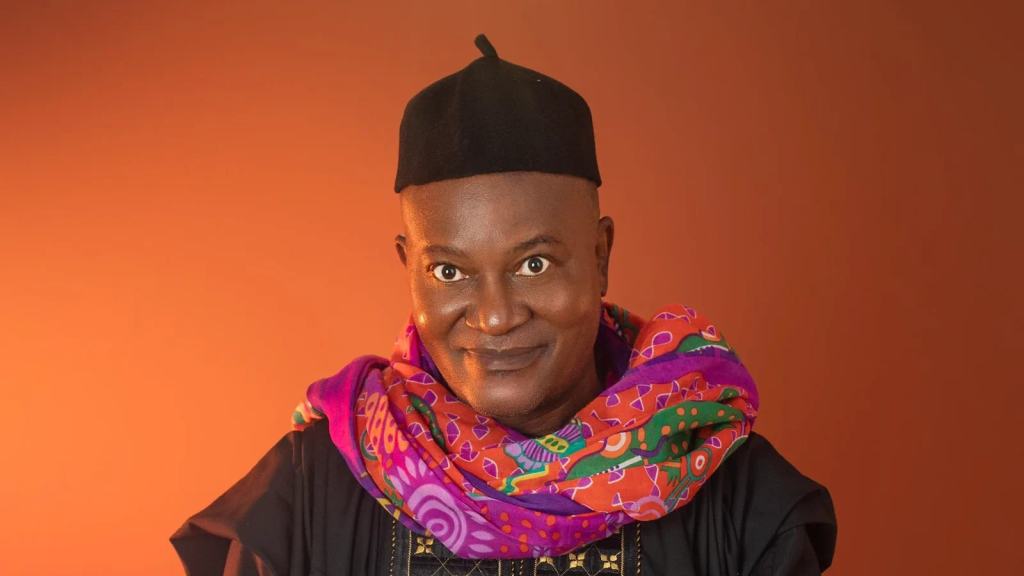
In the African travel and hospitality ecosystem, Ikechi Uko’s name carries the weight of a standard currency. Long before "intra-African travel" became a fashionable panel topic at tourism summits, Uko was driving along rough border corridors, mapping historic trails, and asking a question that ruffled diplomatic feathers in the late 1990s: Why do African tourism ministers and operators have to fly to London every November just to sell Africa to one another?
His answer was not a theoretical policy paper. It was a movement.
Born on the Tracks: The Making of a Geographer
To understand Uko’s obsession with connecting dots across Africa, you have to look at how he grew up. Born on 12 January 1964 in Abia State, Nigeria, into the family of Samson and Salome Uko, travel was practically his inheritance.
His father worked with the Nigerian Railway Corporation. As a boy, young Ikechi spent his school holidays traveling along train corridors and devouring the books and logs his father kept. His mother, a teacher, recognized his restless curiosity and steered him toward the discipline that would anchor his life's work: geography.
After completing secondary school at National Secondary School Nike in Enugu, and a youthful stint as a ticketing officer with the legendary Nigeria Airways, Uko headed to the University of Ibadan. He graduated with a B.Sc. in Geography in 1985, followed by National Youth Service in Bauchi and teaching stints in Kano State (Gwarzo and Rogo). By 1990, he had earned his Master of Science degree in Geography from Ibadan, focusing on environmental planning and remote sensing.
He understood terrain, spatial dynamics, and how humans interact with landscapes. What he needed next was a megaphone.
Words Before Trade Shows: The Media Vanguard
Uko did not begin his public career on convention stages. He began with a pen and a printing press.
In 1991, under the mentorship of Nigerian journalism doyen Alhaji Babatunde Jose, Uko served as editor of Tourism Fact-finders, published to mark Nigeria's hosting of the Organization of African Unity (OAU) summit. Soon after, he took on the role of tourism editor for the ambitious Happy Land, Happy World project, Nigeria’s ill-fated attempt at an African Disneyland. When that project stalled, Uko chose independence over corporate comfort.
In 1996, he launched Travelers Weekend Magazine, the first regular weekly travel publication in West Africa. By 2003, it had evolved into African Travel Quarterly (ATQ), expanding its editorial lens from Nigerian destinations to the entire African continent. Later, atqnews.com gave the brand digital permanence, establishing itself as a go-to platform for civil aviation analytics, hotel developments, and tourism policy.
Through every issue, Uko proved that before you can sell a destination, you must first tell its story with dignity.
Akwaaba and the Audacity of African Trade
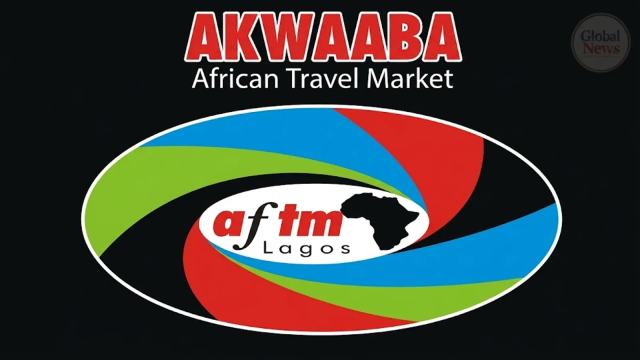
By 2004, editorial pages were no longer enough. Uko launched the Travelers Awards & Exhibition, which a year later was rebranded as Akwaaba African Travel Market.
When the first edition opened at Eko Hotels & Suites in 2005 with only two foreign participants, Ghana and São Tomé and Príncipe, cynics predicted a swift quiet collapse. International travel expos in Europe and North America were backed by multi-million-dollar state budgets. Akwaaba was a private gamble on African soil.
Twenty-two editions later, Akwaaba is the recognized crown jewel of West African travel trade. It has gathered prime ministers, former heads of state, tourism ministers, airline CEOs, and thousands of trade delegates under one roof in Lagos. Designated by the Nigerian Tourism Development Corporation (NTDC) as the country's official international travel expo, Akwaaba holds recognitions from UN Tourism (UNWTO) and the International Tourism Trade Fairs Association (ITTFA).
Along the way, Uko injected cultural soul into what could have been dry corporate deal-making. He launched the Jollof Rice War, turning a heated West African culinary rivalry into a high-octane cultural diplomacy showcase judged by first ladies and master chefs. He built Aviation Day to hammer out bilateral air agreements, established the Africa Travel 100 Awards to honor women and young innovators across the continent, and carved out a dedicated Youth in Tourism Conference to ensure the next generation could commercialize their passion.
Expanding the Map: From Naija7Wonders to Accra Weizo
Uko’s vision was never confined to Lagos.
Naija7Wonders: In 2010, frustrated that Nigerians knew more about European monuments than their own backyard, he initiated a nationwide search for the "Seven Wonders of Nigeria." Mobilizing experts and public votes, the project cataloged breathtaking natural and historic assets, from the ancient Benin Moat and the Ado Awaye Suspended Lake to the heights of the Obudu Mountain Resort.
Accra Weizo: In 2015, Uko launched Accra Weizo in Ghana to give practical teeth to the ECOWAS protocol on free movement. By bringing immigration heads, border officials, airlines, and tour operators into one room, Weizo works systematically to dismantle the bureaucratic roadblocks that make crossing African borders an ordeal.
Abuja & Port Harcourt Bantaba: To decentralize tourism capital from Lagos, he created fast-paced business-matching forums across northern and south-south Nigeria.
CHINET Aviacargo: Taking his expertise deeper into national infrastructure, Uko convened the annual CHINET conference and was tapped by the Federal Government as National Coordinator of the Aviacargo Roadmap Committee, leading the strategic effort to unlock Nigeria’s multi-billion-dollar air cargo export potential.
The "Ambassador" and the Unfinished Journey
People often wonder whether "Ambassador" is a diplomatic posting or an earned honorific. In Uko's case, it is both de facto and official in spirit. In 2016, The African Sun Times in the United States formally named him Tourism Ambassador of the Year 2015. The title stuck because it captured what he had already been doing for decades: serving as an unofficial, unflagging envoy for African integration.
From being chosen by the Government of Rwanda to name a baby mountain gorilla at the historic 10th Kwita Izina ceremony, to advising Cross River State on repositioning the world-famous Carnival Calabar, Uko has spent his life knitting African economies together through travel.
When aviation and tourism titans gathered at the National Museum in Lagos to celebrate his 60th birthday, Ibom Air COO George Uriesi summed him up simply: "His name is like a cheque... he is the link between aviation and tourism."
In a continent of invisible walls and stubborn borders, Ikechi Uko remains what he has always been: a geographer who refuses to accept the boundaries drawn across his home.
Are you interested in learning how to write professionally and earning money as a writer and content creator? Contact Auxi Sherpa today to start your writing journey immediately.
If you have an article, opinion piece, event or news story you would like published, Global News Arena would love to hear from you.
Send a message to Global News Arena contact to get in touch.