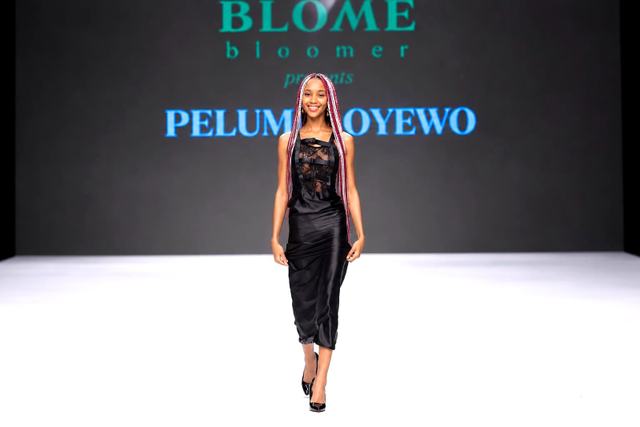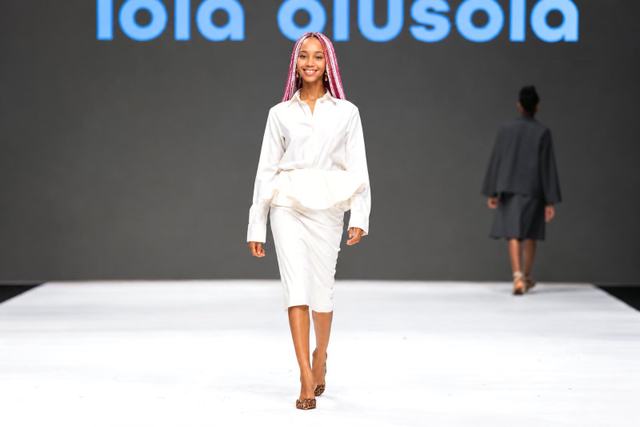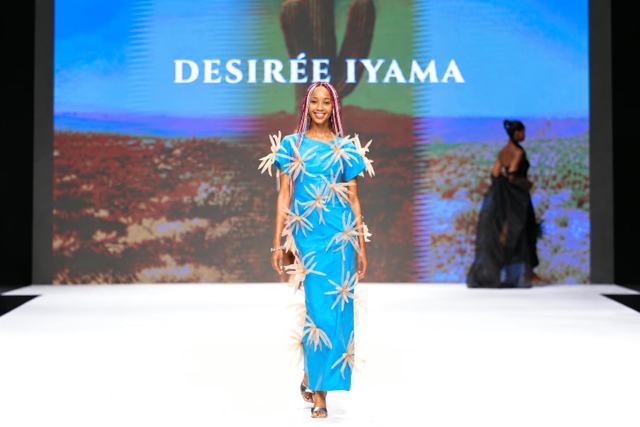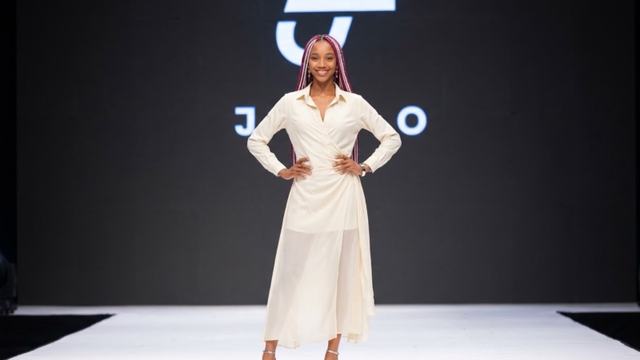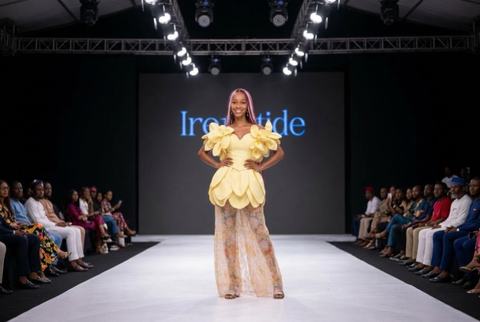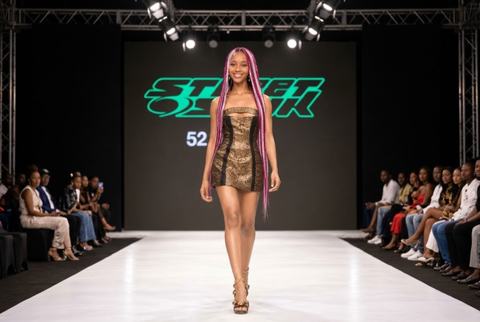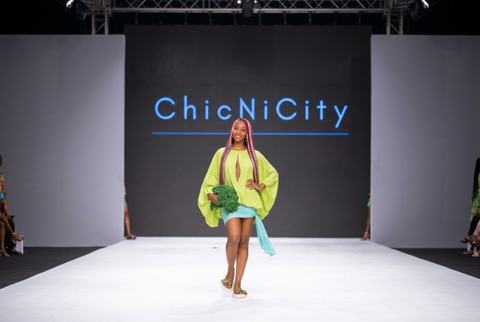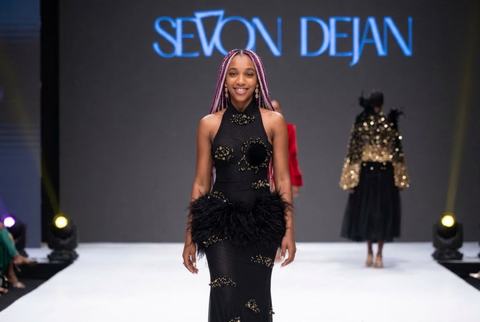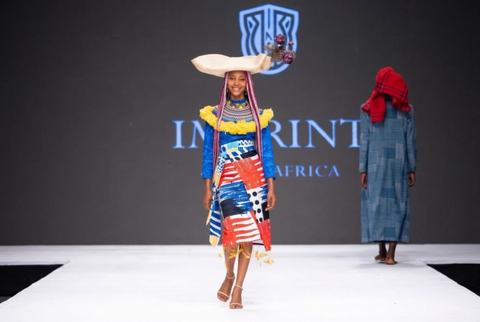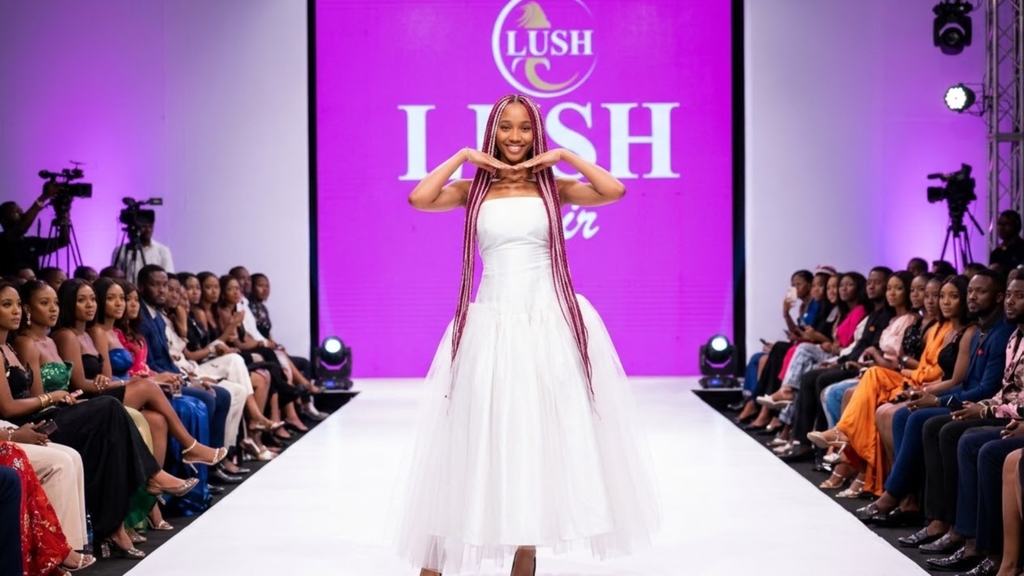
Lush Hair Lagos Fashion Weekr Shows Why Hairstyling Matters in Fashion
READ: Bloke fashion Pushes the Boundaries of African Knitwear With Experimental Design
Fashion is often discussed through clothing, accessories and the designers responsible for creating memorable collections. Yet a runway look is rarely complete without the beauty decisions that bring the entire presentation together. Hairstyling, in particular, can transform the mood of an outfit, reinforce a designer’s creative direction and influence how an audience experiences a collection.
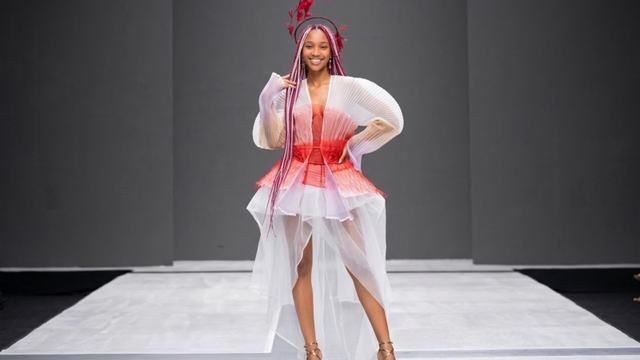
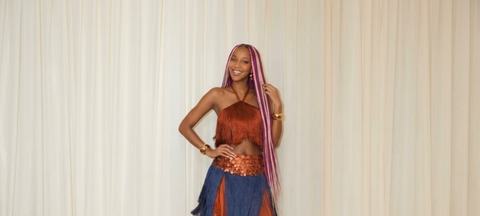
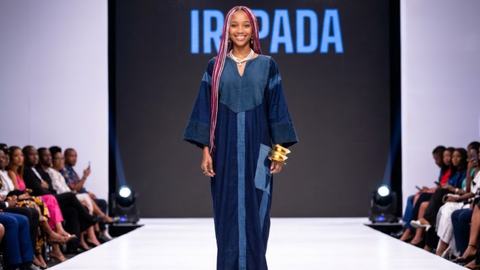
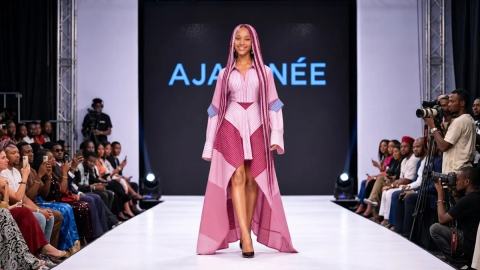
Lush Hair occupies this important space between beauty and fashion. Its presence at Lagos Fashion Week highlights the role of hair in constructing a complete runway image, where clothing, hairstyles, makeup, movement and presentation work together to communicate a creative idea.
READ: Abiola Olusola fashion Brings Modern Femininity and Yoruba Heritage Together Through Fashion
In contemporary African fashion, hair carries significance that extends beyond appearance. Natural textures, protective styles, sculptural forms and carefully arranged silhouettes can express individuality, cultural identity and personal confidence. The way hair is styled can also change how an outfit is perceived, making beauty an essential component of the overall fashion experience.
Lush Hair’s involvement in the Lagos Fashion Week programme reflects the growing relationship between beauty brands and fashion platforms. These partnerships provide opportunities to demonstrate products, introduce styling possibilities and engage audiences who view beauty as an important part of their personal style.
As the fashion industry continues to expand beyond garments alone, hair becomes part of the larger conversation about how African beauty is represented, celebrated and interpreted in contemporary settings.
Lush Hair and Its Place in the Beauty Industry
Lush Hair operates within the beauty and hair sector, a market in which consumers seek products and styling options that support different textures, preferences and personal routines. Hair products and extensions can offer versatility, allowing individuals to explore different lengths, volumes and appearances while adapting their looks to particular occasions.
For a beauty brand participating in a fashion event, the runway provides a setting in which these possibilities can be demonstrated creatively. Rather than presenting hair as an isolated product category, a fashion showcase places it within a wider visual experience.
Lush Hair has been involved in Lagos Fashion Week as a beauty partner, with its participation helping bring professional hairstyling into the event’s creative environment. The brand’s previous involvement has included runway styling and the presentation of hair products, illustrating how commercial beauty partnerships can contribute to the production of a fashion show.
The importance of such partnerships lies partly in the work that takes place behind the scenes. Models require hairstyles that complement their garments, remain suitable for movement and contribute to the visual consistency of the presentation. The styling team must also work within the time constraints of a runway schedule, preparing multiple looks while maintaining attention to detail.
This requires coordination between hairstylists, makeup artists, dressers, designers and production teams. Every decision, from the placement of a parting to the volume of a hairstyle, can affect the final result.
Lush Hair’s place within this environment illustrates how beauty brands can contribute to fashion beyond advertising or product display. They can participate in the creative process through which a runway collection becomes a complete visual statement.
Natural Hair as an Expression of Identity
Natural hair has become an increasingly visible subject within global beauty conversations, particularly as more people explore styles that celebrate the natural texture and versatility of their hair.
For many African women, hair can be connected to personal identity, cultural expression and individual confidence. Different styling choices allow people to communicate their preferences while adapting to professional environments, social occasions and everyday routines.
On the runway, natural hair can become an artistic element in its own right. Its texture, shape and volume offer opportunities for sculptural styling, from compact forms to expansive silhouettes that frame the face and interact with clothing.
These possibilities challenge narrow ideas about what polished or fashionable hair should look like. Rather than assuming that one texture or finish is appropriate for every setting, contemporary hairstyling can embrace a wider range of looks.
A runway presentation may use natural textures to create a sense of authenticity, while a more architectural hairstyle may provide contrast against a relaxed garment. Sleek styling can introduce a clean visual line, whereas textured shapes can add softness or drama.
The effectiveness of each choice depends on the relationship between the hair and the rest of the look. When considered carefully, the hairstyle becomes part of the design rather than a final detail added after the clothing has been completed.
Lush Hair’s involvement in a fashion environment provides an opportunity to explore this relationship and demonstrate how beauty decisions can contribute to the visual language of contemporary African style.
The Creative Work Behind Runway Hairstyles
Preparing hair for a fashion show involves considerably more than creating a beautiful appearance. Each hairstyle must work within the practical demands of the event while supporting the intended aesthetic.
Before a runway presentation, creative teams typically consider the collection’s silhouettes, colour palette, mood and overall styling direction. Hair choices are then developed to complement these elements rather than compete with them.
A structured outfit, for example, may be paired with a similarly sculptural hairstyle to create a cohesive appearance. A flowing garment may benefit from a softer look that introduces movement and balances the shape of the clothing.
The choice of hairpiece or extension, where used, can also influence the final result. Length, texture, density and finish all affect how a hairstyle appears under runway lighting and how it moves as the model walks.
Professional preparation is especially important when a show includes several models and a limited amount of time between fittings and presentations. Teams must organise their work efficiently, maintain consistency where necessary and ensure that each look is ready when the model is called.
These requirements reveal the technical dimension of hairstyling. Creativity matters, but so do planning, product knowledge, time management and the ability to work collaboratively.
For aspiring hairstylists, fashion shows can provide valuable insight into the range of skills required for professional work. They demonstrate how technical ability can be combined with visual storytelling, allowing beauty professionals to participate in the broader creative economy.
Beauty Brands and the Growth of African Fashion
The relationship between beauty brands and fashion events reflects the increasingly interconnected nature of the creative industries. Designers, stylists, photographers, makeup artists, hair professionals, models and product companies all contribute to the production and promotion of a fashion presentation.
These relationships can create opportunities for businesses to reach audiences beyond their usual customer base. A beauty brand gains visibility among fashion enthusiasts, while the event benefits from the expertise and resources of professional beauty teams.
For Nigerian businesses, fashion platforms can also provide opportunities to demonstrate local creative capabilities. The industry depends not only on designers but also on professionals whose work helps translate ideas into finished presentations.
Hair professionals can build reputations through runway projects, editorial work, advertising campaigns and collaborations with individual designers. Beauty brands can use these settings to demonstrate products in practical situations and communicate the range of looks their offerings can support.
However, the value of a partnership extends beyond visibility alone. Lasting opportunities depend on product quality, customer trust, professional relationships and the ability to deliver consistently.
Lush Hair’s participation in Lagos Fashion Week highlights the role that beauty businesses can play within this wider ecosystem. It also reflects how fashion events have become spaces where different creative industries intersect.
Hair, Fashion and the Representation of African Beauty
African beauty has never been limited to one hairstyle, texture or aesthetic. Across different communities and generations, hair has been styled in many ways, reflecting personal preference, cultural practices and changing social influences.
Contemporary fashion provides another setting in which this diversity can be explored. Runway presentations can bring together different hair textures, styling techniques and creative interpretations, showing how beauty can contribute to the individuality of a collection.
The growing visibility of natural hair in fashion also creates opportunities to challenge assumptions about professional presentation and conventional beauty standards. Styles that celebrate texture and volume can communicate confidence without requiring natural hair to be transformed into a different texture to appear fashionable.
At the same time, contemporary styling allows for experimentation. Extensions, braids, sculptural forms and other techniques can be used according to the creative brief and the preferences of the person wearing them.
The important consideration is that styling should provide possibilities rather than impose a single standard. Hair can be expressive, practical, dramatic, understated or a combination of these qualities.
Within a runway environment, these choices contribute to the larger story told by the collection. They can reinforce cultural references, create visual contrasts or establish a recognisable mood.
Lush Hair’s presence within this environment underscores the importance of treating hair as a meaningful part of fashion presentation rather than a secondary accessory.
READ: Désirée Iyama Fashion: Feminine Design, Slow Fashion and the Meaning of Modern Nigerian Style
The Business Opportunities Behind Professional Hair Styling
The fashion and beauty industries offer opportunities for entrepreneurs and skilled professionals across several areas, including product retail, hair extensions, salon services, freelance styling and creative production.
Participation in fashion events can help professionals build relationships with designers, models, photographers and other industry participants. These connections may support future collaborations and introduce new audiences to a brand’s work.
For emerging hairstylists, runway assignments can also provide experience in handling complex briefs, working under pressure and translating a creative concept into a practical result. These skills can be useful in other areas of the industry, including editorial shoots, television, advertising and entertainment.
Beauty businesses must nevertheless approach growth with an understanding of quality, customer expectations and operational demands. Products need to meet the needs for which they are marketed, while styling services require appropriate skills, hygiene practices and attention to individual hair needs.
The most sustainable business opportunities are built on more than a single moment of exposure. They depend on maintaining standards, understanding customers and developing services or products that provide lasting value.
Lush Hair’s presence at Lagos Fashion Week provides an example of how beauty brands can participate in the fashion economy through creative collaboration and public presentation.
Why Lush Hair Lagos Fashion Week Deserves Attention at Lagos Fashion Week
Lush Hair’s role in the Lagos Fashion Week programme highlights the importance of beauty in the construction of a runway identity. The clothing may introduce the collection’s main idea, but the complete presentation depends on the relationship between garments, hairstyles, makeup and movement.
By bringing hair styling into the fashion conversation, the brand contributes to a broader understanding of how African beauty can be presented through contemporary creative platforms.
Its participation also draws attention to the professionals who work behind the scenes to make fashion shows possible. Hairstylists and beauty teams are essential contributors whose technical skills and creative decisions influence the final experience.
For audiences, the presentation offers an opportunity to appreciate the versatility of hair as both a practical and expressive part of personal style. For professionals, it reinforces the potential for collaboration between the fashion and beauty industries.
Ultimately, the connection between Lush Hair and Lagos Fashion Week demonstrates that fashion is not simply about what people wear. It is also about how every element of a look is considered, coordinated and presented.
Hair, when approached with creativity and purpose, can help transform a collection into a memorable visual experience.
The writer of this article does not claim to know the individuals named personally. The information about their backgrounds, as published on Global News Arena, is based on independent online research.
Are you interested in learning how to write professionally and earn money as a writer and content creator? Contact Auxi Chat today to start your writing journey immediately.
Need a professional website in 72 hours? Contact Auxi Chat
If you have an article, opinion piece, event or news story you would like published, Global News Arena would love to hear from you.