ALÁRA Lagos and the Idea of African Luxury
READ: Maliko at Lagos Fashion Week 2026: Artisanal Footwear
When I think about the relationship between fashion and commerce in Africa, I often return to a question that is larger than the clothes themselves: who decides what luxury looks like, where it can be experienced and which creative voices deserve international attention?
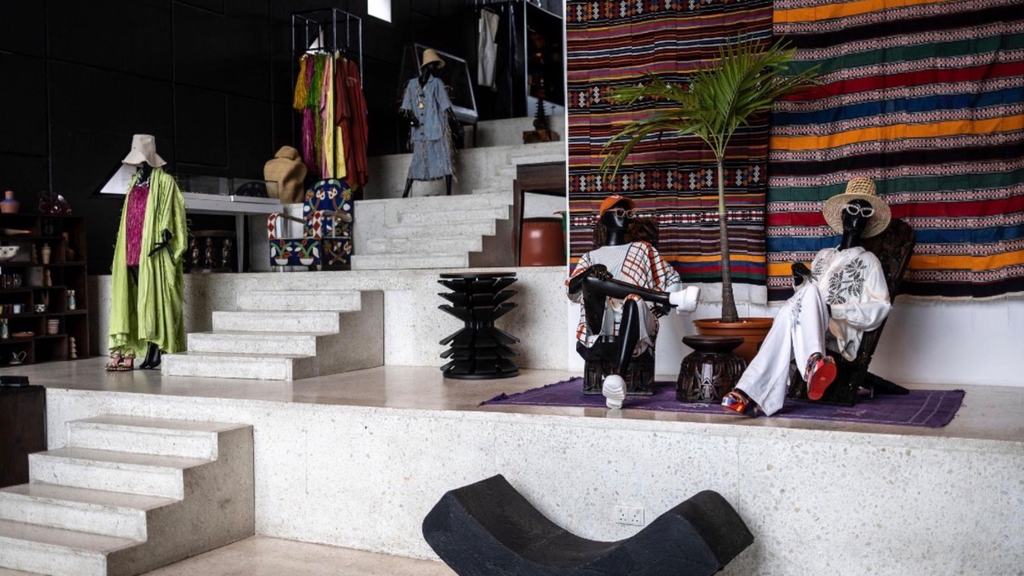
ALÁRA, the Lagos concept store founded by Reni Folawiyo, offers an interesting response to those questions. Established in 2015, the store was conceived as a destination for fashion, art, design and lifestyle, with a particular interest in presenting contemporary African creativity within a carefully considered retail environment.
READ: Lisa Folawiyo fashion Closes Lagos Fashion Week 2026 With a Legacy of Ankara Reinvention
Its approach moves beyond the traditional idea of a shop as a place where products are simply displayed and sold. ALÁRA brings together different creative disciplines, allowing clothing, objects, furniture, art and design to contribute to a wider cultural experience.
The store’s name comes from Yoruba and is associated with the idea of a wondrous performer. That meaning fits an establishment whose ambition extends beyond retail transactions. Its identity is closely connected to discovery, presentation and the experience of encountering creative work in a distinctive setting.
Reni Folawiyo: The Vision Behind ALÁRA
Reni Folawiyo is a Nigerian entrepreneur whose work in fashion and lifestyle retail has helped place African creativity at the centre of an international luxury conversation.
As founder and chief executive of ALÁRA, Folawiyo developed a concept built around the careful selection of designers, artists and makers. Her vision reflects an interest in contemporary Africa as a source of creative authority rather than merely a market for products created elsewhere.
The distinction matters. Retailers influence how consumers understand value, quality and desirability. Their decisions about which designers to stock, which stories to tell and how products are presented can shape the visibility of entire creative industries.
Through ALÁRA, Folawiyo has sought to create a space where African designers can exist alongside established international names without being treated as an afterthought. The store’s curation brings together different approaches to fashion and design, giving customers an opportunity to encounter local and international creativity within the same environment.
This approach also recognises that luxury is not determined by a label alone. Material quality, craftsmanship, originality, presentation and the experience of purchasing a product all contribute to the way customers perceive value.
Folawiyo’s work therefore sits at the intersection of entrepreneurship and cultural influence. It involves building a retail business while helping to create a setting in which creative ideas can reach audiences that might not otherwise encounter them.
ALÁRA as a Platform for African Designers
A concept store has a different responsibility from a conventional clothing retailer. It must consider the individual products it sells, but it must also think about how those products relate to one another and what the overall selection communicates.
ALÁRA’s approach has included supporting Nigerian and other African designers while also presenting international fashion, art and lifestyle products. That combination makes the store a useful example of how African retail businesses can position themselves within a global market without abandoning their local cultural context.
For designers, a carefully curated retail environment can provide an important route to customers. A product may attract attention on a runway, but customers still need places where they can examine it, understand its quality and decide whether it fits their needs.
Retailers also help translate the language of fashion into the language of purchasing decisions. They consider price, quality, fit, customer service and the practical realities of maintaining stock. These details can determine whether interest in a designer becomes a sale.
In this sense, ALÁRA represents more than a backdrop for fashionable photographs. It is part of the infrastructure that allows creative businesses to meet consumers and establish a lasting presence in the market.
ALÁRA and Lagos Fashion Week 2026
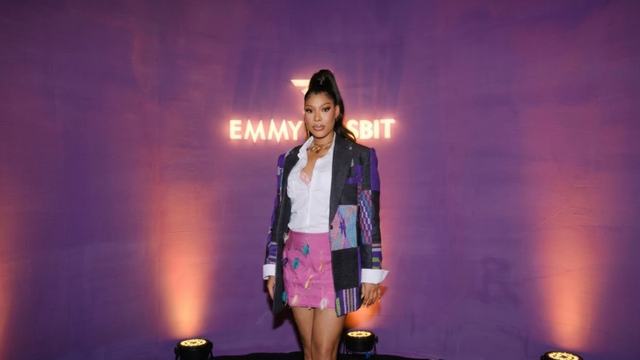
ALÁRA was included in the Wednesday, 28 October programme for Lagos Fashion Week 2026 through a retail presentation involving Emmy Kasbit. The 6 p.m. slot was listed as ALÁRA x Emmy Kasbit, with the collaboration associated with the event’s XRETAIL programme.
The distinction between a retail presentation and a conventional runway show is important. A runway typically introduces a collection through a sequence of styled looks, while a retail presentation can place greater emphasis on the relationship between a designer, a product and the customer.
For ALÁRA, the presentation provided an opportunity to connect its retail identity with the work of a Nigerian fashion label. For Emmy Kasbit, it offered a setting in which the garments could be encountered within a commercial environment rather than only through the spectacle of a runway.
This relationship reflects a broader question facing African fashion: how can designers convert creative visibility into actual business?
Fashion weeks generate photographs, reviews, social media conversations and industry attention. Those forms of visibility are valuable, but a healthy fashion economy also needs retail channels, customers, distribution networks and reliable production.
A retail-focused presentation brings some of those considerations closer to the centre of the conversation. It encourages the industry to think about how a garment moves from design concept to finished product, then from finished product to the person who purchases and wears it.
Why Retail Matters to African Fashion
I see retail as one of the most important parts of the fashion industry because it connects creative ambition to economic reality. A designer may have an exceptional idea, but the business must still find customers who understand its value and are willing to pay for it.
African designers operate within markets that can present significant challenges, including production costs, access to finance, distribution difficulties and inconsistent purchasing power. Strong retail relationships can help designers understand customer demand and identify products that have commercial potential.
A store such as ALÁRA can also shape the way African products are discussed. By presenting local designers within a carefully curated environment, it can challenge the assumption that international luxury is inherently more desirable than African creativity.
The opportunity is not simply to sell more products. It is to develop a retail culture in which African design is judged on its craftsmanship, originality, quality and relevance.
This requires investment in more than beautiful spaces. It also depends on customer service, consistent stock management, clear product information, fair commercial relationships and the ability to keep customers returning.
READ: Emmy Kasbit Fashion Reimagines Nigerian Heritage Through Contemporary Design
ALÁRA Lagos Beyond Fashion
One of the more interesting aspects of ALÁRA is its multidisciplinary character. The store’s identity extends into art, architecture, objects and lifestyle, creating connections between fashion and other forms of creative expression.
That approach reflects the way many consumers experience contemporary culture. People do not always separate their interest in clothing from their interest in interiors, photography, music, travel or design. A carefully developed concept store can bring these interests together in a coherent environment.
ALÁRA’s wider creative programme also helps demonstrate that the African luxury conversation is not limited to garments. It includes the people who make objects, the artists who develop visual ideas, the designers who shape spaces and the entrepreneurs who create opportunities for their work to reach audiences.
Conclusion: The Business of Making African Creativity Visible
Reni Folawiyo’s ALÁRA illustrates how retail can become part of a wider cultural project. Through its combination of fashion, art, design and lifestyle, the Lagos concept store has helped create a space where African creativity can be encountered as part of a contemporary luxury experience.
Its involvement in Lagos Fashion Week 2026, through the ALÁRA x Emmy Kasbit retail presentation, highlighted the importance of connecting designers with customers and commercial opportunities.
The long-term value of such initiatives will depend on the strength of the relationships they create. Designers need sustainable businesses, retailers need loyal customers, and consumers need products that deliver quality and meaning beyond a passing trend.
I believe that the future of African fashion will depend not only on the designers who create compelling collections, but also on the entrepreneurs who build the systems that allow those collections to find an audience.
ALÁRA is an important part of that conversation, reminding us that the place where fashion is discovered and purchased can influence the way an entire creative industry is understood.
The writer of this article does not claim to know the individuals named personally. The information about their backgrounds, as published on Global News Arena, is based on independent online research.
Are you interested in learning how to write professionally and earning money as a writer and content creator? Contact Auxi Chat today to start your writing journey immediately.
If you have an article, opinion piece, event or news story you would like published, Global News Arena would love to hear from you.